Hideyuki DoiBiosphere Informatics Lab., Kyoto University

hideyuki.doi (at) icloud.com
Graduate School of Informatics, Kyoto University
Yoshida-honmachi, Sakyo-ku, Kyoto 606-8501

Hideyuki Doi 土居 秀幸

Biosphere Informatics Lab.,
Graduate School of Informatics, Kyoto University京都大学大学院 情報学研究科 生物圏情報学講座

An ecologist working where ecology meets informatics. Statistical modelling, nonlinear time-series analysis and large-scale data integration, applied to biological communities, food webs and climate change, looking for general rules from bacteria to large mammals and from ponds to the deep sea.

生態学と情報学の境界で、統計モデリング、非線形時系列解析、大規模データ解析を用い、生物群集、食物網、気候変動への応答などを対象に、生物学や生態学における一般性の検証を目指しています。

Research Contact

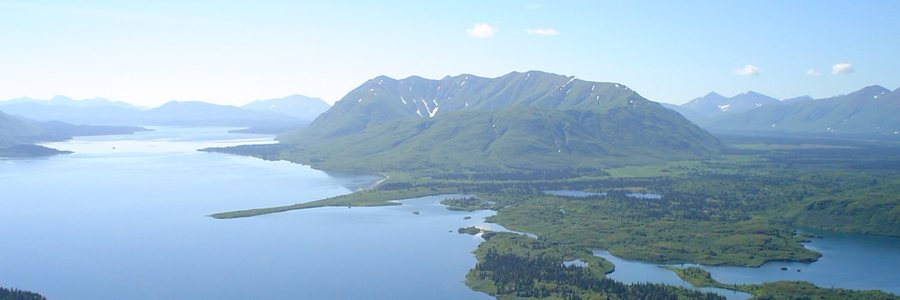
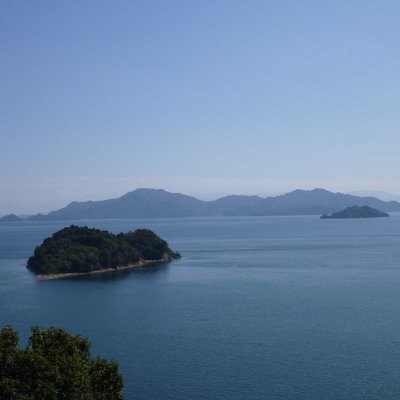
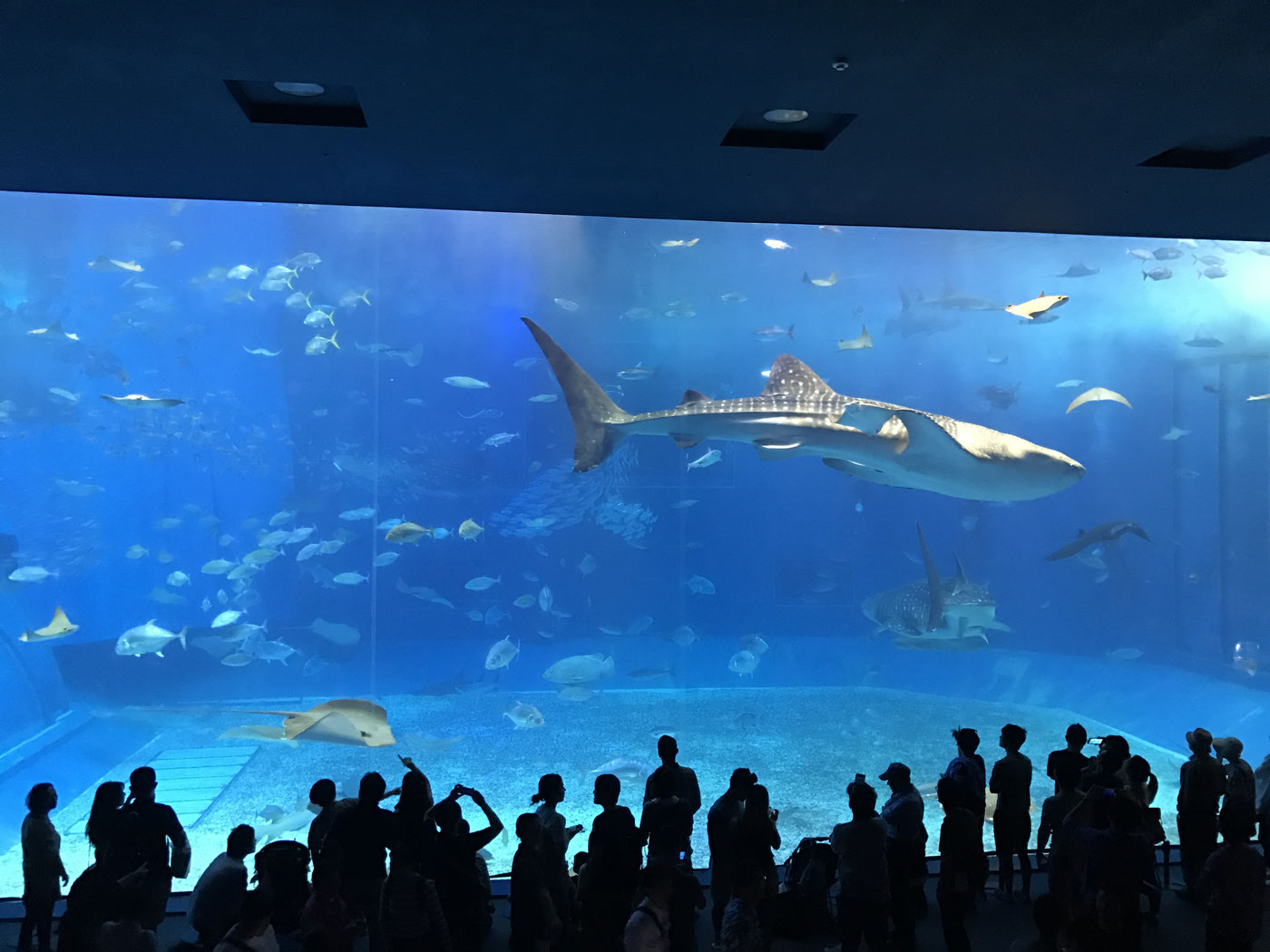
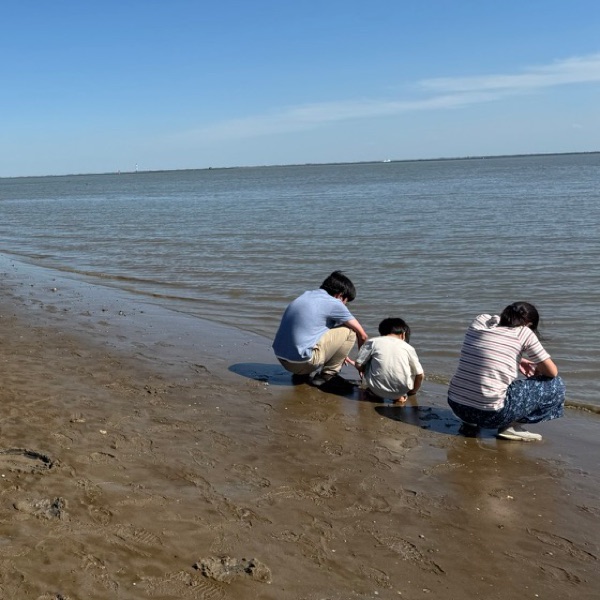
Hideyuki Doi giving a talk A lake and mountains seen from above Small islands in a calm sea

Research

Large-scale data analysis for biology

Integrating species records, DNA, satellite images, long-term observations and published studies to find general rules across fields: species richness estimation, biological communities, agriculture, and life from the deep sea to cities.

Biological community

How communities of fish, plankton, fungi and microbes are assembled and how they change across space and time, through field surveys, metabarcoding of environmental DNA, large-scale distribution data such as GBIF, and DNA preserved in sediments.

Climate change biology

How the timing of flowering, leaf colouring and insect emergence responds to climate change across Japan, read from decades of phenological records.

Food webs

What sets food-chain length, and how food webs are structured in space and time in lakes, rivers, tidal flats and coasts, using stable isotopes.

Research details and key papers

Join the lab

We welcome graduate students (master's and doctoral) and postdocs, including JSPS fellows. Get in touch by e-mail: hideyuki.doi (at) icloud.com

大学院生(博士前期・後期課程)、ポスドク(学振PDなど)を募集しています。
研究室紹介へ

Research

We study ecology at its boundary with informatics, looking for general rules in nature, from bacteria to large mammals and from ponds to the deep sea. Applying statistical modelling, nonlinear time-series analysis and large-scale data analysis to many kinds of data, we work mainly on the four themes below. All papers are listed on the Publications page.

生態学と情報学の境界で、バクテリアから大型哺乳類まで、ため池から深海までを対象に、生物学や生態学における一般性の検証を目指しています。さまざまなデータについて、統計モデリング、非線形時系列解析、大規模データ解析などにより、主に以下の4つのテーマに取り組んでいます。すべての論文はPublicationsをご覧ください。

Large-scale data analysis for biology

大規模データで生物学の一般則を探る

Using species records, DNA sequences, satellite images, long-term observations and thousands of published studies, we look for general rules of biology across fields with statistical modelling, machine learning and nonlinear time-series analysis, from estimating species richness and biodiversity and analysing communities, to linking livestock and biodiversity data in agriculture and mapping life from the deep sea to cities.

種の記録、DNA配列、衛星画像、長期観測データ、膨大な既存研究などのデータを活用して、統計モデリング、機械学習、非線形時系列解析により、分野を越えた生物学の一般則を探っています。種数・生物多様性の推定や群集解析から、農学における家畜と生物多様性データの統合、深海から都市までの生物の分布まで、対象は多岐にわたります。

We aim to examine the universality of biological principles across diverse species (ranging from bacteria to large mammals) and ecological generalizations through the collection and meta-analysis of existing literature datasets. Our research focuses on key relationships such as metabolic rates relative to body size, net growth efficiency of elements, and ecological stoichiometry across taxa. We also test the generality of ecological theories using data on food-chain length, biological communities and more.

様々な生物種(バクテリアから大型哺乳類まで)での生物学的な一般性や,生態学での一般的な命題について,既存文献データを収集してデータセットを作成し,メタ解析により検討しています。バクテリアから大型哺乳類までで変化する体サイズあたりの代謝量と元素に対する純成長効率,生態化学量論との関係について検討しています。また,食物連鎖長,群集データなどから生態学理論の一般性を検証しています。

Biological community

生物群集

We analyse how biological communities of fish, plankton, fungi and microbes are assembled and how they change across space and time, through field surveys and metabarcoding by high-throughput sequencing of environmental DNA from water, sediment and soil. We also test propositions of community theory at broad scales, up to the global scale, with large-scale species distribution data such as GBIF, and analyse how communities have changed over the past decades to more than a century, and what has driven those changes, using DNA preserved in lake and marine sediments (sedimentary DNA) and fossil data.

魚類・プランクトン・菌類・微生物などの生物群集が、どのように成り立ち、空間的・時間的にどう変化するのかを、野外調査や、環境DNA(水、堆積物、土壌)からの超並列シークエンスによるメタバーコーディングなどによって解析しています。また、GBIFなどの大規模な生物分布データを用いて、群集理論の命題を全球規模などの広域スケールで検証しています。さらに、湖や海の堆積物に残されたDNA(堆積物DNA)や化石データから、過去数十年から百年以上にわたる生物群集の変遷とその決定要因について解析しています。

Climate change biology

気候変動と生態系の応答

Although rapid climate changes, such as global warming, are anticipated, their impacts on ecosystems remain insufficiently understood. To address this, we study the response of plant and animal phenology to climate change across Japan using long-term datasets, including phenological observations from the Japan Meteorological Agency. From a macroecological perspective, we have elucidated relationships between latitude and climate change responses, as well as regional variations in genetic diversity and climate adaptability. Furthermore, we explore the effects of phenological mismatches on interacting systems, such as the timing of flowering and pollinator emergence or host-parasite population dynamics.

温暖化など急激な気候変動が予測されていますが,生態系が気候変動の影響にどのように応答するかはまだほとんど明らかになっていません。そこで,気象庁の生物季節観測データなどの長期観測データセットを用いて,日本全国での植物・動物のフェノロジーの気候変動への応答について研究を進めています。特にマクロ生態学的な視点から,緯度と気候変動への応答との関係や,遺伝的多様性と気候への応答の地域変異について明らかにしました。また,開花ーポリネーター出現の時期や,宿主ー寄生虫個体群動態などからフェノロジーのミスマッチが相互作用系に与える影響についても検討しています。

Food webs

食物網

Food webs, which illustrate predator-prey interactions, are foundational for understanding ecosystem structure and function. These interactions influence community dynamics, ecosystem processes, and services. One crucial food web attribute, food chain length (the number of trophic levels from producers to top predators), has been a topic of extensive research and debate. We conduct field studies to test hypotheses related to food chain length using stable isotope analysis. Additionally, our research investigates the temporal and spatial structures of food webs, nutrient cycling, and material flow in diverse aquatic ecosystems, including lakes, rivers, tidal flats, and coastal regions, to deepen our understanding of food web dynamics.

食物網は,生物の被食ー捕食の相互作用を記述した基本的な構造で,生物群集や生態系機能・サービスなど生態系の機能と構造の多くを規定しています。食物網構造を表す重要な指標の一つである食物連鎖長(生産者から最上位捕食者までの栄養段階の長さ)については,今まで多くの議論が重ねられ,どのように食物連鎖長が規定されているのかについて多くの仮説が提案されています。そこで,安定同位体比を用いて食物連鎖長がどのようにして規定されているのかについて,様々な仮説の野外での検証を行っています。食物網の空間構造と栄養補償,物質循環などに着目して,湖沼・河川・干潟・沿岸海洋などのさまざまな水圏生態系において,安定同位体比などを用いて,食物網の時間的・空間的な構造とその動態について研究を進めています。

研究室紹介

大学院博士前期・博士後期課程の学生を大募集中です。ポスドク(日本学術振興会特別研究員PDなど)も大募集中です。

京都大学 大学院情報学研究科 社会情報学コース 生物圏情報学講座に所属しています。研究内容や学生のテーマ、入試情報は以下を参照してください。研究室に興味がある方は、メール(hideyuki.doi (at) icloud.com)までご連絡ください。

生物圏情報学講座へのお問い合わせは breoffice (at) mail2.adm.kyoto-u.ac.jp までご連絡ください。

大学院入試

京都大学大学院情報学研究科 修士課程・博士後期課程の入試情報は研究科のページをご覧ください。大学院入試に興味がある方は、メール(hideyuki.doi (at) icloud.com)までご連絡ください。

学部については、京都大学農学部 資源生物科学科 応用動物科学コースから学生を受け入れています。

研究内容

現在では、生物多様性の減少、過度の開発、気候変動などの影響によって、生態系が大きく改変されつつあります。人間社会の持続的な発展のためには、生態系がこのような環境変動によってその機能や構造をどのように変化させるかについて明らかにする必要があります。

大規模データを用いた資源生物科学・生態学の探究に関する研究
生物資源の維持管理を含めた食糧問題、世界的な生態系の動態などを検討するため、地理情報、衛星情報、DNAデータベースなどの大規模データを用いて、資源生物科学・生物学・生態学に関する基礎的・応用的なさまざまな命題についてアプローチしています。
環境変動と生物多様性・生物資源の応答に関する研究
気候変動をはじめとした環境変動により、資源生物を含めた多くの生物においてその動態、生息域、生物季節などに変化がみられます。今後の更なる環境変動により、生物がどのような応答を示すかを予測する研究をおこなっています。

学生の研究テーマ

学生の構成(2026年10月現在):修士 3名(M2: 2名、M1: 1名)、博士後期 3名(D3: 1名、D2: 1名、D1: 1名)

これまでの学生の研究テーマ

Members

Principal investigator

Hideyuki Doi

Program-Specific Assistant Professor

Yurika Oba

JSPS Fellow

Chuanqiao Zhou

Researcher

Toshiaki S. Jo

and graduate students

Former post-doc members

NameIn the labCurrently
Heungjin RyuPost-doc, 2024–2025Assistant Professor, Biosphere Informatics Lab., Kyoto University
Yurie OtakePost-doc, 2021–2022Assistant Professor, Center for Ecological Research, Kyoto University
Shunsuke MatsuokaPost-doc and JSPS Research Fellow PD, 2016–2022Lecturer, Field Science Education and Research Center, Kyoto University
Mariko NaganoPost-doc, 2016–2020Lecturer, Kyoto University of Advanced Science
Yoriko SugiyamaResearch Assistant, 2017–2018Assistant Professor, Field Science Education and Research Center, Kyoto University
Saeko MatsuhashiPost-doc, 2013–2016Researcher, National Agriculture and Food Research Organization
Kimiko UchiiPost-doc, 2013–2014Associate Professor, Faculty of Pharmacy, Osaka Ohtani University
Teruhiko TakaharaPost-doc, 2011–2013Professor, Faculty of Life and Environmental Science, Shimane University

Former students

Publications

2026 16 papers

  1. Hirotaka Tajima, Hideaki Nishizawa, Manabu Kume, Junichi Okuyama, Hiromichi Mitamura, and Hideyuki Doi (2026) Interspecific differences in the origin of assimilated diet among three omnivorous ghost crab species on resource-limited sandy beach based on carbon and nitrogen stable isotope analysis. Estuaries and Coasts 49:186.

    https://doi.org/10.1007/s12237-026-01799-y

  2. Hideyuki Doi, Masaki Miya, Hitoshi Araki, Akihide Kasai, Reiji Masuda, Toshifumi Minamoto, Satoquo Seino, Hiroki Yamanaka, Tetsuya Sado, Hisashi Yamakawa, Hyojin Ahn, Mitsuhiro Aizu-Hirano, Seiji Arakaki, Ryutaro Goto, Keisuke Koizumi, Nobuchika Hara, Yasuhisa Henmi, Masakazu Hori, Midori Iida, Tadashi Kajita, Yumi Kobayashi, Manabu Kume, Shin-ichiro Oka, Shunsuke Matsuoka, Yuki Minegishi, Mariko Nagano, Teruhiko Takahara, Hiroshi Takahashi, Sayaka Takahashi, Koji Takayama, Kunihiro Yamauchi, and Michio Kondoh (2026) High-frequency eDNA metabarcoding survey data of coastal fish across the Japanese Archipelago. Scientific Data online available.

    https://doi.org/10.1038/s41597-026-08246-4

  3. Alexander K. Yurlov, Natalia I. Yurlova, Maria Yu. Garyushkina, Marina A. Selivanova, and Hideyuki Doi (2026) Egg and chick size in the nests of common gulls in Lake Chany, West Siberia, Russia from 1993 to 2011 (Data Article). Ecological Research 41(5).

    https://doi.org/10.1111/1440-1703.70106

  4. Hiroto Fujita, Teruhiko Takahara*, Hideyuki Doi, and Toshifumi Minamoto (2026) Seasonal variation in accuracy of Oki salamander (Hynobius okiensis) abundance and biomass estimation from eDNA. Freshwater Science 45:433-442.

    https://doi.org/10.1086/742537

    • *Corresponding author
  5. Hideyuki Doi (2026) Urban stressors disrupt the phenological clock, unravelling urban ecosystems and services. npj Urban Sustainability 6:122.

    https://doi.org/10.1038/s42949-026-00406-0

  6. Yurika Oba, and Hideyuki Doi (2026) Macroecological assessment of invasive species impact on Japanese lake fish communities using eDNA metabarcoding. Scientific Reports 16:20890.

    https://doi.org/10.1038/s41598-026-46585-9

  7. Naoko Hara, Hideyuki Doi, Junjiro N. Negishi, Shiro Sagawa, Seiji Sanada, Tomoko Minagawa, Yuichi Kayaba and Izumi Katano (2026) Longitudinal effects of sand-poor tributary inflow on environmental conditions and macroinvertebrate communities within a dam-regulated river. Limnology online available.

    https://doi.org/10.1007/s10201-026-00847-7

  8. Megumi Tsuji, Izumi Katano and Hideyuki Doi (2026) Effects of water flow and sediment on the decay of environmental DNA in a closed-water system. Limnology online available.

    https://doi.org/10.1007/s10201-026-00846-8

  9. Kai Nakane, Michinobu Kuwae, Hideyuki Doi, Mari Ochiai, Tomohiko Isobe, Tatsuya Kunisue, Narumi Tsugeki (2026) Novel attempt to assess marine mammal dynamics over the past 100 years using sedimentary DNA: An example in finless porpoise. Marine Pollution Bulletin 231:119895.

    https://doi.org/10.1016/j.marpolbul.2026.119895

  10. Maiko Kagami, Shunsuke Matsuoka, Manabu Mochizuki, Kensuke Seto, Hideyuki Doi, Chihiro Yoshimura, Tomonori Osugi, Hidetaka Ichiyanagi & Jotaro Urabe (2026) Chytrids are everywhere: diatom-parasitic chytrids dominate pelagic fungal communities across 50 reservoirs. Landscape and Ecological Engineering 22:335-347.

    https://doi.org/10.1007/s11355-026-00715-7

  11. Scott H. Jenkins, Hideyuki Doi, Danilo Russo, Kseniia Kravchenko, Christian E. Vincenot (2026) Understanding bat guilds: A systematic review of their development, uses and research implications. Mammal Review 56: e70037.

    https://doi.org/10.1111/mam.70037

  12. Toshiaki S. Jo and Hideyuki Doi (2026) Does allometric scaling improve estimates of population abundance based on environmental DNA? Molecular Ecology 35:e70303.

    https://doi.org/10.1111/mec.70303

  13. Hideyuki Doi (2026) Connecting the herd and the habitat: A plea for an AI-driven framework for integrating livestock and biodiversity data. One Ecosystem 11: e174196.

    https://doi.org/10.3897/oneeco.11.e174196

  14. Yu Peng, Muchun Zhou, Yaoqing Peng, Weizheng Xie, Zhihui Zhang, Chuanqiao Zhou, Tsuyoshi Kinouchi, Hideyuki Doi, and Xiaoguang Xu (2026) Enhancement of lake carbon emission by cyanobacteria-derived organic carbon input: stimulatory effect of co-metabolism on sediment. Water Research 291:125277.

    https://doi.org/10.1016/j.watres.2025.125277

  15. Chuanqiao Zhou, Qiulin Xu, Ruoyu Jia, Zhihui Zhang, Xiaoguang Xu, Huazu Liu, Wenpeng Zhao, Erhu Du, Guoxiang Wang, Hideyuki Doi, Jianjun Wang, Tsuyoshi Kinouchi, Lian Feng (2026) Long-term records reveal temperature-driven nutrient limitation and predict intensified algal blooms in global lakes. Global Change Biology 32:e70719.

    https://doi.org/10.1111/gcb.70719

  16. Yutaka Osada, Masaki Miya, Hitoshi Araki, Hideyuki Doi, Akihide Kasai, Reiji Masuda, Toshifumi Minamoto, Satoquo Seino, Teruhiko Takahara, Satoshi Yamamoto, Hiroki Yamanaka, Mitsuhiro Aizu-Hirano, Keiichi Fukaya, Takehiko Fukuchi, Ryo O. Gotoh, Masakazu Hori, Midori Iida, Tomohito Imaizumi, Tadashi Kajita, Takashi Kanbe, Tanaka Kenta, Yumi Kobayashi, Tomoyuki Komai, Tomohiko Matsuura, Hiroki Mizumoto, Hiroyuki Motomura, Hiroaki Murakami, Shin-ichiro Oka, Tetsuya Sado, Hiroshi Senou, Koichi Shibukawa, Tomoki Sunobe, Hiroshi Takahashi, Koji Takayama, Katsuhiko Tanaka, Hisashi Yamakawa, Satoru Yokoyama, Seokjin Yoon, Michio Kondoh (2026) Large-scale environmental DNA survey reveals niche axes of a regional coastal fish community. Scientific Reports 16, 3276.

    https://doi.org/10.1038/s41598-025-31307-4

2025 7 papers

  1. Hideyuki Doi (2025) A generative paradigm for environmental science: From prediction to immersive scenarios for participatory stewardship. Research Ideas and Outcomes 11: e177579.

    https://doi.org/10.3897/rio.11.e177579

  2. Angélica L González, Julian Merder, Karl Andraczek, Ulrich Brose, Michał Filipiak, W Stanley Harpole, Helmut Hillebrand, Michelle C Jackson, Malte Jochum, Shawn J Leroux, Mark P Nessel, Renske E Onstein, Rachel Paseka, George LW Perry, Angie Peace, Amanda Rugenski, Judith Sitters, Erik Sperfeld, Maren Striebel, Eugenia Zandona, Attila Mozsár, Sarah Bluhm, Hideyuki Doi, Nico Eisenhauer, Vinicius F Farjalla, James Hood, Pavel Kratina, Catherine Lovelock, Eric K Moody, Melanie E Pollierer, Anton Potapov, Gustavo Q Romero, Jean-Marc Roussel, Stefan Scheu, Nicole Scheunemann, Julia Seeber, Michael Steinwandter, Winda Ika Susanti, Alexei Tiunov, Olivier Dézerald (2025) Nitrogen deposition reveals global patterns in plant and animal stoichiometry. Nature Communications 16, 10977.

    https://doi.org/10.1038/s41467-025-65960-0

  3. Yurika Oba and Hideyuki Doi (2025) Accelerating ecosystem monitoring through computer vision with deep metric learning. Ecological Complexity 62:101124.

    https://doi.org/10.1016/j.ecocom.2025.101124

  4. Angélica L. González, Karl Andraczek, Ulrich Brose, Michał Filipiak, Michelle Jackson, Malte Jochum, Stan Harpole, Helmut Hillebrand, Shawn J. Leroux, Julian Merder, Mark P. Nessel, Renske E. Onstein, George Perry, Rachel Paseka, Amanda Rugenski, Judith Sitters, Erik Sperfeld, Maren Striebel, Eugenia Zandona, Alice Blanckaert, Sarah L. Bluhm, Hideyuki Doi, Nico Eisenhauer, James Hood, Vinicius F. Farjalla, Pavel Kratina, Catherine Lovelock, Eric K. Moody, Attila Mozsár, Liam N. Nash, Melanie M. Pollierer, Anton Potapov, Gustavo Q. Romero, Stefan Scheu, Nicole Scheunemann, Julia Seeber, Michael Steinwandter, Winda Ika Susanti, Alexei Tiunov, Jean-Marc Roussel, Olivier Dézerald (2025) StoichLife: A global dataset of plant and animal elemental content. Scientific Data 12:569.

    https://doi.org/10.1038/s41597-025-04852-w

  5. Kitso Kusin, Kaho Ogawa, Hideyuki Doi, Takeshi Tokida, Takashi Hirano, Adi Jaya, Masayuki Itoh (2025) Increasing the pH of tropical peat can enhance methane production and methanogenic growth under anoxic conditions. CATENA 250, 108791.

    https://doi.org/10.1016/j.catena.2025.108791

  6. Teruhiko Takahara, Satoshi Yamagishi, Rina Shimoda, Akihiro Nagata, Masayuki K. Sakata, Hideyuki Doi, Toshifumi Minamoto (2025) Seven-year changes in eDNA concentrations of two dominant submerged macrophytes in Lake Shinji: Effects of salinity. Estuarine, Coastal and Shelf Science 315, 109165.

    https://doi.org/10.1016/j.ecss.2025.109165

  7. Nao Shiozuka, Izumi Katano*, Hideyuki Doi*, Masatoshi Nakamura, Tomoyasu Shirako, Shun Nagayama & Hidetaka Ichiyanagi (2024) Seasonal changes in the diurnal behavior of Chimarrogale platycephalus evaluated using environmental DNA. Limnology 26:45-54.

    https://doi.org/10.1007/s10201-024-00760-x

    • *Corresponding authors

2024 9 papers

  1. Yuki Hatano, Shunsuke Matsuoka, Hideyuki Doi, Ryunosuke Tateno, Motohiro Hasegawa, and Takashi Osono (2024) Evaluation of the persistence of Epichloë endophyte and its possible effect on fungal assemblages in dead leaf sheaths. Fungal Biology 128:2325-2332.

    https://doi.org/10.1016/j.funbio.2024.11.008

  2. Hideyuki Doi and Tatsuya Saito (2024) Unveiling aquatic organism health through eProteins: A contemporary perspective. Research Ideas and Outcomes 10: e127927.

    https://doi.org/10.3897/rio.10.e127927

  3. Michinobu Kuwae, Yusuke Yokoyama, Stephen Tims, Michaela Froehlich, Leslie Keith Fifield, Takahiro Aze, Narumi Tsugeki, Hideyuki Doi, and Yoshiki Saito (2024) Toward defining the Anthropocene onset using a rapid increase in anthropogenic fingerprints in global geological archives. Proceedings of the National Academy of Sciences of the United States of America 121: e2313098121.

    https://doi.org/10.1073/pnas.2313098121

  4. Hideyuki Takagi, Hideyuki Doi*, and Tomomichi Nakamura (2024) Classifying animal migration patterns using small-shuffle surrogate and PCA evaluating short-term trends. Behaviour 161: 661–676.

    https://doi.org/10.1163/1568539X-bja10280

    • *Corresponding author
  5. Satsuki Tsuji, Hideyuki Doi, Yusuke Hibino, Naoki Shibata and Katsutoshi Watanabe (2024) Rapid assessment of invasion front and biological impact of the invasive fish Coreoperca herzi using quantitative eDNA metabarcoding. Biological Invasions 26:3107-3123.

    https://doi.org/10.1007/s10530-024-03364-9

  6. Ayano Medo, Nobuhito Ohte, Hideyuki Doi, Kiattipong Kamdee, Keisuke Koba, Nobuaki Arai, Yasushi Mitsunaga, Manabu Kume, Daichi Kojima, Takashi Nose, Ayako Yokoyama, Thavee Viputhanumas, and Hiromichi Mitamura (2024) Trophic niche partitioning and intraspecific variation in food resource use in the genus Pangasianodon in a reservoir revealed by stable isotope analysis of multiple tissues. Journal of Fish Biology 105:814-824.

    https://doi.org/10.1111/jfb.15842

  7. Kengo Takemoto, Hideyuki Doi*, Tatsuya Saito, Hiroaki Ui, Tomoko Doei & Hiroshi Doei (2024) Establishment of environmental DNA method for detecting invasive African-clawed frogs in Japan. Limnology 25:119-124.

    https://doi.org/10.1007/s10201-023-00739-0

    • *Corresponding author
  8. Yoriko Sugiyama, Shunsuke Matsuoka, Yoshito Shimono, Masayuki Ushio, and Hideyuki Doi (2024) Do aquatic fungal environmental DNA assemblages reflect the surrounding terrestrial sporocarp communities? Fungal Ecology 67: 101311.

    https://doi.org/10.1016/j.funeco.2023.101311

  9. Izumi Katano, Hideyuki Doi, Junjiro N. Negishi, Tomoko Minagawa, and Yuichi Kayaba (2024) Tributary mitigates river discontinuity by dam depending on the distance from dam to the tributary confluence. River Research and Applications 40:163-176.

    https://doi.org/10.1002/rra.4221

2023 15 papers

  1. Hiroki Yamanaka, Hideyuki Doi, Hitoshi Araki, Kimiko Uchii, and Toshifumi Minamoto (2023) The eDNA Society International Meeting 2023, “moving from knowledge into practice”. Environmental DNA online available.

    https://doi.org/10.1002/edn3.465

  2. Aki Tanaka, Izumi Katano*, Hideyuki Doi*, Mami Iguchi, and Shohei Koike (2023) Applicability of environmental DNA metabarcoding for the hyporheic zone of a stream bed. Environmental DNA 5:1667-1678.

    https://doi.org/10.1002/edn3.484

    • *Corresponding authors
  3. Grayson P. Huston, Mark Louie D. Lopez, Yuanyu Cheng, Leighton King, Lucinda C. Duxbury, Maïlys Picard, Georgia Thomson-Laing, Erika Myler, Caren C. Helbing, Michael T. Kinnison, Jasmine E. Saros, Irene Gregory-Eaves, Marie-Eve Monchamp, Susanna A. Wood, Linda Armbrecht, Gentile Francesco Ficetola, Lenka Kurte, Jordan Von Eggers, Janice Brahney, Genevieve Parent, Masayuki K. Sakata, Hideyuki Doi, and Eric Capo (2023) Detection of fish sedimentary DNA in aquatic systems: A review of methodological challenges and future opportunities. Environmental DNA 5:1449-1472.

    https://doi.org/10.1002/edn3.467

  4. Hideyuki Doi and Ryan P. Kelly (2023) Ethical considerations for human sequences in environmental DNA. Nature Ecology and Evolution 7:1334-1335.

    https://doi.org/10.1038/s41559-023-02124-7

  5. Alexander K. Yurlov, Natalia I. Yurlova*, Maria Yu. Garyushkina, Marina A. Selivanova, and Hideyuki Doi* (2023) Long-term series of measurements of eggs and chicks of Caspian terns (Hydroprogne caspia) breeding in Lake Chany, Western Siberia, Russia, during 1985 and 2011. Ecological Research 38:708-713.

    https://doi.org/10.1111/1440-1703.12407

    • *Co-corresponding authors (Alexander K. Yurlov deceased).
  6. Mariko Nagano, Masaki Sakamoto, Kwang-Hyeon Chang, and Hideyuki Doi (2023) Predator-induced plasticity in relation to prey body size: a meta-analysis of Daphnia experiments. Freshwater Biology 68:1293-1302.

    https://doi.org/10.1111/fwb.14108

  7. Hideyuki Doi*†, Shunsuke Matsuoka†, Shin-ichiro S. Matsuzaki†, Mariko Nagano, Hirotoshi Sato, Hiroki Yamanaka, Saeko Matsuhashi, Satoshi Yamamoto, Toshifumi Minamoto, Hitoshi Araki, Kousuke Ikeda, Atsuko Kato, Kouichi Kumei, Nobutaka Maki, Takashi Mitsuzuka, Teruhiko Takahara, Kimihito Toki, Natsuki Ueda, Takeshi Watanabe, Kanji Yamazoe, and Masaki Miya (2023) Species traits and ecosystem characteristics affect species detection by eDNA metabarcoding in lake fish communities. Freshwater Biology 68:1346-1358.

    https://doi.org/10.1111/fwb.14107

    • *Corresponding author, †These authors equally contributed.
  8. Takashi Fukuzawa*, Hiromi Shirakura, Naofumi Nishizawa, Hisao Nagata, Yuichi Kameda, and Hideyuki Doi* (2023) Environmental DNA extraction method from water for a high and consistent DNA yield. Environmental DNA 5: 627-633.

    https://doi.org/10.1002/edn3.406

    • *Co-corresponding authors
  9. Kai Nakane, Xin Liu, Hideyuki Doi, Gaël Dur, Michinobu Kuwae, Syuhei Ban, and Narumi Tsugeki (2023) Sedimentary DNA can reveal the past population dynamics of a pelagic copepod. Freshwater Biology 68: 1917-1928.

    https://doi.org/10.1111/fwb.14096

  10. Hideyuki Doi*, Yuko Ishida, and Yasuhiro Takemon (2023) Canopy cover influences food resources for stream grazers and filter feeders on a reach scale. Hydrobiologia 851:299-311.

    https://doi.org/10.1007/s10750-023-05213-7

    • *Corresponding author
  11. Rio Souma*, Izumi Katano*, Hideyuki Doi*, Teruhiko Takahara, and Toshifumi Minamoto (2023) Comparing environmental DNA with whole pond survey to estimate the total biomass of fish species in ponds. Freshwater Biology 68:727-736.

    https://doi.org/10.1111/fwb.14059

    • *Co-corresponding authors
  12. Hideyuki Doi* and Keigo Nakamura* (2023) Dominant barriers and the solutions to the social application of environmental DNA. Landscape and Ecological Engineering 19: 305–312.

    https://doi.org/10.1007/s11355-023-00549-7

    • *Co-corresponding authors
  13. Hideyuki Doi* and Keigo Nakamura* (2023) Special issue: Environmental DNA as a practical tool for aquatic conservation and restoration (Preface). Landscape and Ecological Engineering 19:1-2.

    https://doi.org/10.1007/s11355-022-00534-6

    • *Corresponding authors
  14. Teruhiko Takahara, Hideyuki Doi, Toshihiro Kosuge, Nanae Nomura, Nobutaka Maki, Toshifumi Minamoto, and Katsutoshi Watanabe (2023) Effective environmental DNA collection for an endangered catfish species: testing for habitat and daily periodicity. Ichthyological Research 70:409-418.

    https://doi.org/10.1007/s10228-022-00900-2

  15. Nao Shiozuka, Izumi Katano*, Hideyuki Doi*, Masatoshi Nakamura, Tomoyasu Shirako, and Hidetaka Ichiyanagi (2023) Diurnal detection of environmental DNA of the semi‐aquatic water shrew Chimarrogale platycephala using 25‐h water sampling in streams. Landscape and Ecological Engineering 19:69-77.

    https://doi.org/10.1007/s11355-022-00526-6

    • *Corresponding authors

2022 12 papers

  1. Michinobu Kuwae, Bruce P. Finney, Zhiyuan Shi, Aya Sakaguchi, Narumi Tsugeki, Takayuki Omori, Tetsuro Agusa, Yoshiaki Suzuki, Yusuke Yokoyama, Hirofumi Hinata, Yoshio Hatada, Jun Inoue, Kazumi Matsuoka, Misaki Shimada, Hikaru Takahara, Shin Takahashi, Daisuke Ueno, Atsuko Amano, Jun Tsutsumi, Masanobu Yamamoto, Keiji Takemura, Keitaro Yamada, Ken Ikehara, Tsuyoshi Haraguchi, Stephen Tims, Michaela Froehlich, L Keith Fifield, Takahiro Aze, Kimikazu Sasa, Tsutomu Takahashi, Masumi Matsumura, Yukinori Tani, Peter R Leavitt, Hideyuki Doi, Tomohisa Irino, Kazuyoshi Moriya, Akira Hayashida, Kotaro Hirose, Hidekazu Suzuki, and Yoshiki Saito (2022) Beppu Bay, Japan, as a candidate Global boundary Stratotype Section and Point for the Anthropocene series. The Anthropocene Review 10:49-86.

    https://doi.org/10.1177/20530196221135077

  2. Moriaki Yasuhara, Huai-Hsuan May Huang, Markus Reuter, Skye Yunshu Tian, Jonathan D. Cybulski, Aaron O’Dea, Briony L. Mamo, Laura J. Cotton, Emanuela Di Martino, Ran Feng, Clay R. Tabor, Gabriel Reygondeau, Qianshuo Zhao, Mark T. Warne, Kyawt K. T. Aye, Jingwen Zhang, Anne Chao, Chih-Lin Wei, Fabien L. Condamine, Adam T. Kocsis, Wolfgang Kiessling, Mark J. Costello, Derek P. Tittensor, Chhaya Chaudhary, Marina C. Rillo, Hideyuki Doi, Yun-wei Dong, Thomas M. Cronin, Erin E. Saupe, Heike K. Lotze, Kenneth G. Johnson, Willem Renema, John M. Pandolfi, Mathias Harzhauser, Jeremy B. C. Jackson, Yuanyuan Hong (2022) Hotspots of Cenozoic tropical marine biodiversity. Oceanography and Marine Biology: An Annual Review 60: 243-300.

    https://doi.org/10.1201/9781003288602-5

  3. Fumiya Hirama, Jotaro Urabe*, Hideyuki Doi, Takehiro Kazama, Takumi Noguchi, Tyler H. Tappenbeck, Izumi Katano, Masato Yamamichi, Takehito Yoshida, and James J. Elser (2022) Terrigenous subsidies in lakes support zooplankton production mainly via a green food chain and not the brown food chain. Frontiers in Ecology and Evolution 10:956819.

    https://doi.org/10.3389/fevo.2022.956819

    • *Corresponding author
  4. Pritam Banerjee, Kathryn A Stewart, Gobinda Dey, Caterina M Antognazza, Raju Kumar Sharma, Jyoti Prakash Maity, Santanu Saha, Hideyuki Doi, Natasha de Vere, Michael W Y Chan, Pin-Yun Lin, Hung-Chun Chao, and Chien-Yen Chen (2022) Environmental DNA analysis as an emerging non-destructive method for plant biodiversity monitoring: a review. AoB Plants 14:1-14.

    https://doi.org/10.1093/aobpla/plac031

  5. Takashi Fukuzawa*, Yuichi Kameda, Hisao Nagata, Naofumi Nishizawa, and Hideyuki Doi* (2022) Filtration extraction method using a microfluidic channel for measuring environmental DNA. Molecular Ecology Resources 22: 2651-2661.

    https://doi.org/10.1111/1755-0998.13657

    • *Corresponding authors
  6. Shigeki Ogata, Hideyuki Doi, Takeshi Igawa, Shohei Komaki, and Teruhiko Takahara (2022) Environmental DNA methods for detecting two invasive alien species (American bullfrog and red swamp crayfish) in Japanese ponds. Ecological Research 37:701-710.

    https://doi.org/10.1111/1440-1703.12341

  7. Pritam Banerjee, Kathryn A. Stewart, Caterina M. Antognazza, Ingrid V. Bunholi, Kristy Deiner, Matthew A. Barnes, Santanu Saha, Héloïse Verdier, Hideyuki Doi, Jyoti Prakash Maity, Michael W. Y. Chan, and Chien Yen Chen (2022) Plant–animal interactions in the era of environmental DNA (eDNA)—A review. Environmental DNA 4:987-999.

    https://doi.org/10.1002/edn3.308

  8. Shunsuke Matsuoka, Yoriko Sugiyama, Mariko Nagano, and Hideyuki Doi (2022) Influence of DNA extraction kits on freshwater fungal DNA metabarcoding. PeerJ 10:e13477.

    https://doi.org/10.7717/peerj.13477

  9. Alexander K. Yurlov*, Natalia I. Yurlova*, Maria Yu. Garyushkina, Marina A. Selivanova, and Hideyuki Doi* (2022) Long-term observation of the egg and chick size in the nests of Larus ichthyaetus in Lake Chany, Russia. Scientific Data 9:372.

    https://doi.org/10.1038/s41597-022-01454-8

    • *Co-corresponding authors (Alexander K. Yurlov deceased).
  10. Teruhiko Takahara, Katsuya Fukui, Daisuke Hiramatsu, Hideyuki Doi, Masato Fujii, and Toshifumi Minamoto (2022) Development of primer-probe sets for environmental DNA-based monitoring of pond smelt Hypomesus nipponensis and Japanese icefish Salangichthys microdon. Landscape and Ecological Engineering 19:11-19.

    https://doi.org/10.1007/s11355-022-00507-9

  11. Narumi Tsugeki, Kai Nakane, Hideyuki Doi, Natsuki Ochi, and Michinobu Kuwae (2022) Reconstruction of 100-year dynamics in Daphnia spawning activity revealed by sedimentary DNA. Scientific Reports 12: 1741.

    https://doi.org/10.1038/s41598-021-03899-0

  12. Hideyuki Doi†, Takeshi Osawa†, and Narumasa Tsutsumida† (2022) Assessing the potential repercussions of the COVID-19 pandemic on global SDG attainment. Discover Sustainability 3:2.

    https://doi.org/10.1007/s43621-021-00067-2

    • †These authors equally contributed.

2021 20 papers

  1. Hideyuki Doi† and Tomoki Hirai† (2021) Estimation of deracinated trees area in temperate forest with satellite images employing machine learning methods. PeerJ Computer Science 7:e648.

    https://doi.org/10.7717/peerj-cs.648

    • †These authors equally contributed.
  2. Ryohei Nakao, Ryutei Inui, Yoshihisa Akamatsu, Masuji Goto, Hideyuki Doi and Shunsuke Matsuoka (2021) Illumina iSeq 100 and MiSeq exhibit similar performance in freshwater fish environmental DNA metabarcoding. Scientific Reports 11:15763.

    https://doi.org/10.1038/s41598-021-95360-5

  3. Shunsuke Matsuoka, Yoriko Sugiyama, Yoshito Shimono, Masayuki Ushio, and Hideyuki Doi (2021) Evaluation of seasonal dynamics of fungal DNA assemblages in a flow-regulated stream in a restored forest using eDNA metabarcoding. Environmental Microbiology 23:4797-4806.

    https://doi.org/10.1111/1462-2920.15669

  4. Hideyuki Doi*†, Moriaki Yasuhara*† and Masayuki Ushio*† (2021) Causal analysis of the temperature impact on deep-sea biodiversity. Biology Letters 17: 20200666.

    https://doi.org/10.1098/rsbl.2020.0666

    • †These authors equally contributed. *Corresponding authors
  5. Hideyuki Doi, Takeshi Watanabe, Naofumi Nishizawa, Tatsuya Saito, Hisao Nagata, Yuichi Kameda, Nobutaka Maki, Kousuke Ikeda, and Takashi Fukuzawa (2021) On-site environmental DNA detection of species using ultra-rapid mobile PCR. Molecular Ecology Resources 21:2364-2368.

    https://doi.org/10.1111/1755-0998.13448

  6. Naiara Rodriguez-Ezpeleta, Olivier Morissette, Colin W. Bean, Shivakumara Manu, Pritam Banerjee, Anaïs Lacoursière-Roussel, Kingsly C. Beng, S. Elizabeth Alter, Fabian Roger, Luke E. Holman, Kathryn A. Stewart, Michael T. Monaghan, Quentin Mauvisseau, Luca Mirimin, Owen S. Wangensteen, Caterina M. Antognazza, Sarah J. Helyar, Hugo de Boer, Marie-Eve Monchamp, Reindert Nijland, Cathryn L. Abbott, Hideyuki Doi, Matthew A. Barnes, Matthieu Leray, Pascal I. Hablützel, Kristy Deiner (2021) Trade-offs between reducing complex terminology and producing accurate interpretations from environmental DNA: Comment on “Environmental DNA: What's behind the term?” by Pawlowski et al., (2020). Molecular Ecology 30:4601-4605.

    https://doi.org/10.1111/mec.15942

  7. Hideyuki Doi and Randy Nathaniel Mulia (2021) Future land use for insect meat production among countries: a global classification. Frontiers in Nutrition 8:661056.

    https://doi.org/10.3389/fnut.2021.661056

  8. Kazuto Takasaki, Hiroki Aihara, Takanobu Imanaka, Takahiro Matsudaira, Keita Tsukahara, Atsuko Usui, Sora Osaki, and Hideyuki Doi* (2021) Water pre-filtration methods to improve environmental DNA detection by real-time PCR and metabarcoding. PLOS ONE 16: e0250162.

    https://doi.org/10.1371/journal.pone.0250162

    • *Corresponding author
  9. Hideyuki Doi†, Hiroyoshi Higuchi†, Hiromi Kobori†, Sangdon Lee† and Richard B. Primack† (2021) Declining phenology observations by the Japan Meteorological Agency. Nature Ecology and Evolution 5: 886-887.

    https://doi.org/10.1038/s41559-021-01459-3

    • †These authors equally contributed.
  10. Izumi Katano, Junjiro N. Negishi, Tomoko Minagawa, Hideyuki Doi, Yôichi Kawaguchi, and Yuichi Kayaba (2021) Effects of sediment replenishment on riverbed environments and macroinvertebrate assemblages downstream of a dam. Scientific Reports 11: 7525.

    https://doi.org/10.1038/s41598-021-86278-z

  11. Hideyuki Doi†, Ryutei Inui†, Shunsuke Matsuoka†, Yoshihisa Akamatsu, Masuji Goto, and Takanori Kono (2021) Estimation of biodiversity metrics by environmental DNA metabarcoding compared with visual and capture surveys of river fish communities. Freshwater Biology 66:1257-1266.

    https://doi.org/10.1111/fwb.13714

    • †These authors equally contributed.
  12. Tatsuya Saito and Hideyuki Doi (2021) Degradation modeling of water environmental DNA: Experiments on multiple DNA sources in pond and seawater. Environmental DNA 3: 850-860.

    https://doi.org/10.1002/edn3.192

  13. Hideyuki Doi†, Toshifumi Minamoto†, Teruhiko Takahara, Satsuki Tsuji, Kimiko Uchii, Satoshi Yamamoto, Izumi Katano and Hiroki Yamanaka (2021) Compilation of real-time PCR conditions toward the standardization of eDNA methods. Ecological Research 36:379-388.

    https://doi.org/10.1111/1440-1703.12217

    • †The both authors equally contributed.
  14. Tatsuya Saito and Hideyuki Doi (2021) A model and simulation of the influence of temperature and amplicon length on environmental DNA degradation rates: A meta-analysis approach. Frontiers in Ecology and Evolution 9:623831.

    https://doi.org/10.3389/fevo.2021.623831

  15. Tatsuhiko Hoshino, Ryohei Nakao, Hideyuki Doi, and Toshifumi Minamoto (2021) Simultaneous absolute quantification and sequencing of fish environmental DNA in a mesocosm by quantitative sequencing technique. Scientific Reports 11:4372.

    https://doi.org/10.1038/s41598-021-83318-6

  16. Hideyuki Doi†, Remigiusz Gałęcki†, and Randy Nathaniel Mulia (2021) The merits of entomophagy in the post COVID-19 world. Trends in Food Science & Technology 110:849-854.

    https://doi.org/10.1016/j.tifs.2021.01.067

    • †The both authors equally contributed.
  17. Toshiaki Jo, Saki Ikeda, Arisa Fukuoka, Takashi Inagawa, Jiro Okitsu, Izumi Katano, Hideyuki Doi, Katsuki Nakai, Hidetaka Ichiyanagi, and Toshifumi Minamoto (2021) Utility of environmental DNA analysis for effective monitoring of invasive fish species in reservoirs. Ecosphere 12:e03643.

    https://doi.org/10.1002/ecs2.3643

  18. Takehiro Kazama, Jotaro Urabe, Masato Yamamichi, Kotaro Tokita, Xuwang Yin, Izumi Katano, Hideyuki Doi, Takehito Yoshida and Nelson G. Hairston Jr. (2021) A unified framework for herbivore-to-producer biomass ratio reveals the relative influence of four ecological factors. Communications Biology 4:49.

    https://doi.org/10.1038/s42003-020-01587-9

  19. Shin-ichiro Oka, Hideyuki Doi, Kei Miyamoto, Nozomi Hanahara, Tetsuya Sado, and Masaki Miya (2021) Environmental DNA metabarcoding for biodiversity monitoring of a highly-diverse tropical fish community in a coral-reef lagoon: Estimation of species richness and detection of habitat segregation. Environmental DNA 3:55-69.

    https://doi.org/10.1002/edn3.132

    • Featured by Okinawa-times, Ryukyu-Shinpo.
  20. Toshifumi Minamoto, Masaki Miya, Tetsuya Sado, Satoquo Seino, Hideyuki Doi, Michio Kondoh, Keigo Nakamura, Teruhiko Takahara, Satoshi Yamamoto, Hiroki Yamanaka, Hitoshi Araki, Wataru Iwasaki, Akihide Kasai, Reiji Masuda, and Kimiko Uchii (2021) An illustrated manual for environmental DNA research: Water sampling guidelines and experimental protocols. Environmental DNA 3:8-13.

    https://doi.org/10.1002/edn3.121

2020 12 papers

  1. Tatsuhiko Hoshino*, Hideyuki Doi*, Go-Ichiro Uramoto, Lars Wörmer, Rishi R. Adhikari, Nan Xiao, Yuki Morono, Steven D’Hondt, Kai-Uwe Hinrichs, and Fumio Inagaki* (2020) Global diversity of microbial communities in marine sediment. Proceedings of the National Academy of Sciences of the United States of America 117: 27587-27597.

    https://doi.org/10.1073/pnas.1919139117

    • *Corresponding authors
    • Featured by Kyodo-Tsushin, Kochi Shinbun, Kobe Shinbun, NHK Kochi, Yahoo News, 47 News and others
    • Awarded "Deep Life Paper" Awards 2020, International Center for Deep Life Investigation.
  2. Toshifumi Wada†, Hideyuki Doi†*, Daisuke Togaki, Ryotaro Kaida, Mariko Nagano, Izumi Katano, Masami Suzuki, Tetsuya Ohtani and Hiromune Mitsuhashi (2020) Exploring a legendary giant squid: An environmental DNA approach. Marine Biology 167:160.

    https://doi.org/10.1007/s00227-020-03773-z

    • †The both authors equally contributed (Toshifumi Wada deceased in 2018). *Corresponding author
    • Featured by Hakai Magazine
  3. Hideyuki Doi†, Yoshihisa Akamatsu†, Masuji Goto, Ryutei Inui, Takashi Komuro, Mariko Nagano, and Toshifumi Minamoto (2021) Broad-scale detection of environmental DNA for an invasive macrophyte and the relationship between DNA concentration and coverage in rivers. Biological Invasions 23: 507-520.

    https://doi.org/10.1007/s10530-020-02380-9

    • †The both authors equally contributed.
  4. Michinobu Kuwae†, Hiromichi Tamai, Hideyuki Doi†, Masayuki K. Sakata, Toshifumi Minamoto, and Yoshiaki Suzuki (2020) Sedimentary DNA tracks decadal-centennial changes in fish abundance. Communications Biology 3:558.

    https://doi.org/10.1038/s42003-020-01282-9

    • †The both authors equally contributed.
    • Featured by Sankei-Tsushin, Eurekalert
  5. Shunsuke Matsuoka, Hideyuki Doi, Shota Masumoto, Ryo Kitagawa, Keita Nishizawa, Kaho Tanaka, Motohiro Hasegawa, Satoru Hobara, Takashi Osono, Akira S. Mori, and Masaki Uchida (2020) Taxonomic, functional, and phylogenetic diversity of fungi in a forest-tundra ecotone in Quebec. Polar Science 27:100594.

    https://doi.org/10.1016/j.polar.2020.100594

  6. Moriaki Yasuhara, Huai-Hsuan May Huang, Pincelli Hull, Marina C. Rillo, Fabien L. Condamine, Derek P. Tittensor, Michal Kučera, Mark J. Costello, Seth Finnegan, Aaron O’Dea, Yuanyuan Hong, Timothy C. Bonebrake, N. Ryan McKenzie, Hideyuki Doi, Chih-Lin Wei, Yasuhiro Kubota, Erin E. Saupe (2020) Time machine biology: Cross-timescale integration of ecology, evolution, and oceanography. Oceanography 33:16-28.

    https://doi.org/10.5670/oceanog.2020.225

  7. Mariko Nagano and Hideyuki Doi (2020) Ecological and evolutionary factors of intraspecific variation in inducible defenses: insights gained from Daphnia experiments. Ecology and Evolution 10:8554-8562.

    https://doi.org/10.1002/ece3.6599

  8. Teruhiko Takahara, Junya Taguchi, Satoshi Yamagishi, Hideyuki Doi, Shigeki Ogata, Hiroki Yamanaka, and Toshifumi Minamoto (2020) Suppression of environmental DNA degradation in water samples associated with different storage temperature and period using benzalkonium chloride. Limnology and Oceanography: Methods 18:437-445.

    https://doi.org/10.1002/lom3.10374

  9. Hideyuki Doi (2020) Idea paper: Community‐interaction analyses contribute to improving the performance of microbial fuel cells. Ecological Research 35:583-585.

    https://doi.org/10.1111/1440-1703.12134

  10. Kana Hayami, Masayuki K. Sakata, Takashi Inagawa, Jiro Okitsu, Izumi Katano, Hideyuki Doi, Katsuki Nakai, Hidetaka Ichiyanagi, Ryo O. Gotoh, Masaki Miya, Hirotoshi Sato, Hiroki Yamanaka, and Toshifumi Minamoto (2020) Effects of sampling seasons and locations on fish environmental DNA metabarcoding in dam reservoirs. Ecology and Evolution 10:5354-5367.

    https://doi.org/10.1002/ece3.6279

  11. Takashi Shirouzu, Shunsuke Matsuoka, Hideyuki Doi, Nobuaki Nagata, Masayuki Ushio, and Kentaro Hosaka (2020) Complementary molecular methods reveal comprehensive phylogenetic diversity integrating inconspicuous lineages of early-diverged wood-decaying mushrooms. Scientific Reports 10:3057.

    https://doi.org/10.1038/s41598-020-59620-0

  12. Daisuke Togaki†, Hideyuki Doi†, and Izumi Katano (2020) Detection of freshwater mussels (Sinanodonta spp.) in artificial ponds through environmental DNA: a comparison with traditional hand collection methods. Limnology 21:59–65.

    https://doi.org/10.1007/s10201-019-00584-0

    • †The both authors equally contributed.

2019 15 papers

  1. Aozora Kakuda, Hideyuki Doi*, Rio Souma, Mariko Nagano, Toshifumi Minamoto, and Izumi Katano* (2019) Environmental DNA detection and quantification of invasive red-eared sliders, Trachemys scripta elegans, in ponds and the influence of water quality. PeerJ 7:e8155.

    https://doi.org/10.7717/peerj.8155

    • *Corresponding authors
  2. Shunsuke Matsuoka, Takaya Iwasaki, Yoriko Sugiyama, Eri Kawaguchi, Hideyuki Doi and Takashi Osono (2019) Biogeographic patterns of ectomycorrhizal fungal communities associated with Castanopsis sieboldii across the Japanese archipelago. Frontiers in Microbiology 10:2656.

    https://doi.org/10.3389/fmicb.2019.02656

  3. Randy Nathaniel Mulia and Hideyuki Doi* (2019) Global simulation of insect meat production under climate change. Frontiers in Sustainable Food Systems 3:91.

    https://doi.org/10.3389/fsufs.2019.00091

    • *Corresponding author
  4. Hideyuki Doi, Eisuke Kikuchi, Shigeto Takagi, and Shuichi Shikano (2019) Spatio-temporal stable isotope variation of a benthic primary consumer in a simple food web in a strongly acidic lake. PeerJ 7:e7890.

    https://doi.org/10.7717/peerj.7890

  5. Kimiko Uchii, Hideyuki Doi, Teruyuki Okahashi, Izumi Katano, Hiroki Yamanaka, Masayuki K. Sakata, and Toshifumi Minamoto (2019) Comparison of inhibition resistance among PCR reagents for detection and quantification of environmental DNA. Environmental DNA 1:359-367.

    https://doi.org/10.1002/edn3.37

  6. Kousuke Ikeda, Hideyuki Doi, Shigeharu Terui, Atsuko Kato, Takashi Mitsuzuka, Tadashi Kawai, and Junjiro N. Negishi (2019) Estimating native and invasive crayfish distributions in relation to culvert barriers with environmental DNA. Freshwater Science 38:654–660.

    https://doi.org/10.1086/704998

  7. Saeko Matsuhashi, Toshifumi Minamoto, and Hideyuki Doi (2019) Seasonal change in environmental DNA concentration of a submerged aquatic plant species. Freshwater Science 38:629–641.

    https://doi.org/10.1086/704996

  8. Viktoriia Radchuk, Thomas Reed, Céline Teplitsky, Martijn van de Pol, Anne Charmantier, Christopher Hassall, Peter Adamík, Frank Adriaensen, Markus Ahola, Peter Arcese, Jesús Miguel Avilés, Javier Balbontin, Wolf Blanckenhorn, Antoni Borras, Sarah Burthe, Jean Clobert, Nina Dehnhard, Florentino de Lope, André A. Dhondt, Niels J. Dingemanse, Hideyuki Doi, and 44 authors (2019) Adaptive responses of animals to climate change are most likely insufficient. Nature Communications 10:3109.

    https://doi.org/10.1038/s41467-019-10924-4

  9. Shunsuke Matsuoka, Yoriko Sugiyama, Hirotoshi Sato, Izumi Katano, Ken Harada, and Hideyuki Doi (2019) Spatial structure of fungal DNA assemblages revealed with eDNA metabarcoding in a forest river network in western Japan. Metabarcoding and Metagenomics 3:e36335.

    https://doi.org/10.3897/mbmg.3.36335

  10. Satsuki Tsuji, Teruhiko Takahara, Hideyuki Doi, Naoki Shibata, and Hiroki Yamanaka (2019) The detection of aquatic macroorganisms using environmental DNA analysis—a review of methods for collection, extraction, and detection. Environmental DNA 1:99-108.

    https://doi.org/10.1002/edn3.21

  11. Izumi Katano, and Hideyuki Doi (2019) Effects of stream grazers with different functional traits on the spatial heterogeneity of periphyton mats. PeerJ 7:e6747.

    https://doi.org/10.7717/peerj.6747

  12. Teruhiko Takahara, Takashi Ikebuchi, Hideyuki Doi, and Toshifumi Minamoto (2019) Using environmental DNA to estimate the seasonal distribution and habitat preferences of a Japanese basket clam in Lake Shinji, Japan. Estuarine, Coastal and Shelf Science 221:15-20.

    https://doi.org/10.1016/j.ecss.2019.02.022

  13. Hideyuki Doi†, Keiichi Fukaya†, Shin-ichiro Oka, Keiichi Sato, Michio Kondoh, and Masaki Miya* (2019) Evaluation of detection probabilities at the water-filtering and initial PCR steps in environmental DNA metabarcoding using a multispecies site occupancy model. Scientific Reports 9:3581.

    https://doi.org/10.1038/s41598-019-40233-1

  14. Kazuya Fujii†, Hideyuki Doi†*, Shunsuke Matsuoka, Mariko Nagano, Hirotoshi Sato, and Hiroki Yamanaka (2019) Environmental DNA metabarcoding for fish community analysis in backwater lakes: A comparison of capture methods. PLOS ONE 14: e0210357.

    https://doi.org/10.1371/journal.pone.0210357

    • †The both authors equally contributed. *Corresponding author
  15. Hideyuki Doi and Helmut Hillebrand (2019) Historical contingency and productivity effects on food-chain length. Communications Biology 2:40.

    https://doi.org/10.1038/s42003-019-0287-8

2018 6 papers

  1. Yusuke Oda, Hideyuki Doi, Sho Nakano, Jong-Mo Suh, Hye-Ji Oh, Mei-Yan Jin, Yong-Jae Kim, Masaki Sakamoto, and Kwang-Hyeon Chang (2018) Spatiotemporal variability in a copepod community associated with fluctuations in salinity and trophic state in an artificial brackish reservoir at Saemangeum, South Korea. PLOS ONE 13: e0209403.

    https://doi.org/10.1371/journal.pone.0209403

  2. Hideyuki Doi, Kwang-Hyeon Chang and Shin-ichi Nakano (2018) Trophic niche breadth of pond zooplankton species using stable isotope analysis and the relationship with the abiotic and biotic factors. Royal Society Open Science 6:180917.

    https://doi.org/10.1098/rsos.180917

  3. Naoto F. Ishikawa†, Hideyuki Doi†, and Jacques C. Finlay (2018) Global dataset for carbon and nitrogen stable isotope ratios of lotic periphyton (Data paper). Ecological Research 33:1089.

    https://doi.org/10.1007/s11284-018-1623-z

    • †The both authors equally contributed.
  4. Mariko Nagano and Hideyuki Doi (2018) Degree of high phenotypic plasticity in wild populations of Daphnia in early spring. Journal of Limnology 77:309-315.

    https://doi.org/10.4081/jlimnol.2018.1709

  5. Masato Yamamichi, Takehiro Kazama, Kotaro Tokita, Izumi Katano, Hideyuki Doi, Takehito Yoshida, Nelson G. Hairston Jr., and Jotaro Urabe (2018) A shady phytoplankton paradox: When phytoplankton increases under low light. Proceedings of the Royal Society B: Biological Sciences 285: 20181067.

    https://doi.org/10.1098/rspb.2018.1067

  6. Thierry Chambert, David S. Pilliod, Caren S. Goldberg, Hideyuki Doi, and Teruhiko Takahara (2018) An analytical framework for estimating aquatic species density from environmental DNA. Ecology and Evolution 8:3468–3477.

    https://doi.org/10.1002/ece3.3764

2017 11 papers

  1. Hirotoshi Sato, Yuki Sogo, Hideyuki Doi, and Hiroki Yamanaka (2017) Usefulness and limitations of sample pooling for environmental DNA metabarcoding of freshwater fish communities. Scientific Reports 7:14860.

    https://doi.org/10.1038/s41598-017-14978-6

  2. Hideyuki Doi*, Yoshihisa Akamatsu*, Yutaka Watanabe*, Masuji Goto, Ryutei Inui, Izumi Katano, Mariko Nagano, Teruhiko Takahara, and Toshifumi Minamoto (2017) Water sampling for environmental DNA surveys by using an unmanned aerial vehicle. Limnology and Oceanography: Methods 15:939-944.

    https://doi.org/10.1002/lom3.10214

    • *These authors equally contributed.
    • Featured by Asahi-Shinbun, Kobe-Shinbun, Kankyo Tenboudai, Yahoo News
  3. Kimiko Uchii, Hideyuki Doi, Hiroki Yamanaka, and Toshifumi Minamoto (2017) Distinct seasonal migration patterns of Japanese native and non-native genotypes of common carp estimated by environmental DNA. Ecology and Evolution 7:8512-8522.

    https://doi.org/10.1002/ece3.3346

  4. Hideyuki Doi, Fumikazu Akamatsu, and Angélica L. González (2017) Starvation effects on nitrogen and carbon stable isotopes of animals: an insight from meta-analysis of fasting experiments. Royal Society Open Science 4:170633.

    https://doi.org/10.1098/rsos.170633

  5. Hideyuki Doi†, Izumi Katano†, Yusuke Sakata, Rio Souma, Toshihiro Kosuge, Mariko Nagano, Kousuke Ikeda, Koki Yano, and Koji Tojo (2017) Detection of an endangered aquatic heteropteran using environmental DNA in a wetland ecosystem. Royal Society Open Science 4:170568.

    https://doi.org/10.1098/rsos.170568

    • †The both authors equally contributed.
    • Featured by Asahi-Shinbun, KensetsuKogyo-Shinbun, Tsukuba Science News
  6. Hideyuki Doi, Oscar Gordo, Terutaka Mori, and Mayumi T. Kubo (2017) A macroecological perspective for phenological research under climate change. Ecological Research 32:633-641.

    https://doi.org/10.1007/s11284-017-1480-1

  7. Izumi Katano*, Ken Harada*, Hideyuki Doi*, Rio Souma, and Toshifumi Minamoto (2017) Environmental DNA method for estimating salamander distribution in headwater streams, and a comparison of water sampling methods. PLOS ONE 12:e0176541.

    https://doi.org/10.1371/journal.pone.0176541

    • *These authors equally contributed.
    • Featured by Yomiuri-Shinbun
  8. Izumi Katano, Hiromune Mitsuhashi, Hideyuki Doi, Yu Isobe, and Tadashi Oishi (2017) Distribution and drift dispersal dynamics of a caddisfly grazer in response to resource abundance and its ontogeny. Royal Society Open Science 4:160732.

    https://doi.org/10.1098/rsos.160732

  9. Hideyuki Doi, Kimiko Uchii, Saeko Matsuhashi, Teruhiko Takahara, Hiroki Yamanaka, and Toshifumi Minamoto (2017) Isopropanol precipitation method for collecting fish environmental DNA. Limnology and Oceanography: Methods 15:212-218.

    https://doi.org/10.1002/lom3.10161

  10. Toshifumi Minamoto, Kimiko Uchii, Teruhiko Takahara, Takumi Kitayoshi, Satsuki Tsuji, Hiroki Yamanaka, and Hideyuki Doi (2017) Nuclear internal transcribed spacer-1 as a sensitive genetic marker for environmental DNA studies in common carp Cyprinus carpio. Molecular Ecology Resources 17: 324-333.

    https://doi.org/10.1111/1755-0998.12586

  11. Hideyuki Doi†, Ryutei Inui†, Yoshihisa Akamatsu, Kazuki Kanno, Hiroki Yamanaka, Teruhiko Takahara, and Toshifumi Minamoto (2017) Environmental DNA analysis for estimating the abundance and biomass of stream fish. Freshwater Biology 62:30-39.

    https://doi.org/10.1111/fwb.12846

    • †The both authors equally contributed.
    • Featured by Sankei-Shinbun, Chugoku-Shinbun, Ube-Nippou, MyNavi news

2016 8 papers

  1. Masaki Miya, Toshifumi Minamoto, Hiroki Yamanaka, Shin-ichiro Oka, Keiichi Sato, Satoshi Yamamoto, Tatsuya Sado, and Hideyuki Doi (2016) Use of a filter cartridge for filtration of water samples and extraction of environmental DNA. Journal of Visualized Experiments 117:e54741.

    https://doi.org/10.3791/54741

  2. Kousuke Ikeda†, Hideyuki Doi†, Kazunori Tanaka, Tadashi Kawai, and Junjiro N. Negishi (2016) Using environmental DNA to detect an endangered crayfish Cambaroides japonicus in streams. Conservation Genetics Resources 8: 231-234.

    https://doi.org/10.1007/s12686-016-0541-z

    • †The both authors equally contributed.
    • Featured by Asahi-Shinbun (Digital), Mainichi-Shinbun, Nikkei-Shinbun, Shinano Mainichi-Shinbun, Hokkaido Kensetsu-Shinbun, Hokkaido Tsushin, Nikkei Asian Review, Kobe-Shinbun Next news, Yahoo! news, 47News, ITmedia, MyNavi news, etc
  3. Hideyuki Doi, and Teruhiko Takahara (2016) Global patterns of conservation research importance in different countries of the world. PeerJ 4:e2173.

    https://doi.org/10.7717/peerj.2173

  4. Saeko Matsuhashi, Hideyuki Doi, Ayaka Fujiwara, Sonoko Watanabe, and Toshifumi Minamoto (2016) Evaluation of the environmental DNA method for estimating distribution and biomass of submerged aquatic plants. PLOS ONE 11:e0156217.

    https://doi.org/10.1371/journal.pone.0156217

  5. Moriaki Yasuhara†, Hideyuki Doi†, Chih-Lin Wei†, Roberto Danovaro, and Sarah E. Myhre (2016) Biodiversity-ecosystem functioning relationships in long-term time series and paleoecological records: deep sea as a test bed. Philosophical Transactions of the Royal Society B: Biological Sciences 371:20150282.

    https://doi.org/10.1098/rstb.2015.0282

    • †These authors equally contributed.
  6. Ayaka Fujiwara, Saeko Matsuhashi, Hideyuki Doi, Satoshi Yamamoto, and Toshifumi Minamoto (2016) Use of environmental DNA to survey the distribution of an invasive submerged plant in ponds. Freshwater Science 35: 748-754.

    https://doi.org/10.1086/685882

  7. Takeshi Miki, and Hideyuki Doi* (2016) Leaf phenological shifts and plant-microbe-soil interactions can determine forest productivity and nutrient cycling under climate change in an ecosystem model. Ecological Research 31:263-274.

    https://doi.org/10.1007/s11284-016-1333-3

    • *Corresponding author
  8. Kimiko Uchii, Hideyuki Doi, and Toshifumi Minamoto (2016) A novel environmental DNA approach to quantify the cryptic invasion of non-native genotypes. Molecular Ecology Resources 16:415-422.

    https://doi.org/10.1111/1755-0998.12460

2015 7 papers

  1. Izumi Katano, Hideyuki Doi*, Britas Klemens Eriksson, and Helmut Hillebrand (2015) A cross-system meta-analysis reveals coupled predation effects on prey biomass and diversity. Oikos 124:1427-1435.

    https://doi.org/10.1111/oik.02430

    • *Corresponding author
    • Featured by Oikos Editor's Choice
  2. Susanne Menden-Deuer, Laura Bristow, Hideyuki Doi, Christopher Filstrup, Andrea Johnson, Kevin Rose, Xiao Xi, Amy Burgess, and Grace Wilkinson (2015) Big data on important issues: Assessing the needs of student and early career aquatic scientists. Limnology and Oceanography Bulletin 24:77-79.

    https://doi.org/10.1002/lob.10052

  3. Noriyuki Koizumi, Teruhiko Takahara, Toshifumi Minamoto, Hideyuki Doi, Atsushi Mori, Keiji Watanabe, and Takeshi Takemura (2015) Preliminary experiment for detection method of fish inhabiting agricultural drainage canals using environmental DNA. IDRE Journal 297: IV_7-IV_8.

    https://doi.org/10.11408/jsidre.83.IV_7

  4. Hideyuki Doi†, Teruhiko Takahara†, Toshifumi Minamoto, Saeko Matsuhashi, Kimiko Uchii, and Hiroki Yamanaka (2015) Droplet digital polymerase chain reaction (PCR) outperforms real-time PCR in the detection of environmental DNA from an invasive fish species. Environmental Science & Technology 49:5601-5608.

    https://doi.org/10.1021/acs.est.5b00253

    • †The both authors equally contributed.
  5. Hideyuki Doi, Kimiko Uchii, Teruhiko Takahara, Saeko Matsuhashi, Hiroki Yamanaka, and Toshifumi Minamoto (2015) Use of droplet digital PCR for estimation of fish abundance and biomass in environmental DNA surveys. PLOS ONE 10:e0122763.

    https://doi.org/10.1371/journal.pone.0122763

  6. Teruhiko Takahara, Satoru Endo, Momo Takada, Yurika Oba, Wim Ikbal Nursal, Takeshi Igawa, Hideyuki Doi, Toshihiro Yamada, and Toshinori Okuda (2015) Radiocesium accumulation in the anuran frog, Rana tagoi tagoi, in forest ecosystems after the Fukushima Nuclear Power Plant accident. Environmental Pollution 199:89-94.

    https://doi.org/10.1016/j.envpol.2015.01.018

  7. Teruhiko Takahara, Toshifumi Minamoto, and Hideyuki Doi (2015) Effects of sample processing on the detection rate of environmental DNA from the Common Carp (Cyprinus carpio). Biological Conservation 183:64-69.

    https://doi.org/10.1016/j.biocon.2014.11.014

2014 5 papers

  1. Kwang-Hyeon Chang, Hideyuki Doi, Yuichiro Nishibe, Gui-Sook Nam and Shin-ichi Nakano (2014) Feeding behavior of the copepod Temora turbinata: clearance rate and prey preference on the diatom and microbial food web components in coastal area. Journal of Ecology and Environment 37: 225-229.

    https://doi.org/10.5141/ecoenv.2014.027

  2. Izumi Katano, and Hideyuki Doi (2014) Stream grazers determine their crawling direction on the basis of chemical and particulate microalgal cues. PeerJ 2:e503.

    https://doi.org/10.7717/peerj.503

  3. Teruhiko Takahara, Mie N. Honjo, Kimiko Uchii, Toshifumi Minamoto, Hideyuki Doi, Takafumi Ito, and Zen’ichiro Kawabata (2014) Effects of daily temperature fluctuation on the survival of carp infected with Cyprinid herpesvirus 3. Aquaculture 433:208-213.

    https://doi.org/10.1016/j.aquaculture.2014.06.001

  4. Teruhiko Takahara, Toshifumi Minamoto, Hideyuki Doi, Takafumi Ito, and Zen’ichiro Kawabata (2014) Differences between domesticated Eurasian and Japanese indigenous strains of the common carp (Cyprinus carpio) in cortisol release following acute stressor. Ichthyological Research 61:165-168.

    https://doi.org/10.1007/s10228-013-0385-4

  5. Hideyuki Doi, Alexandre Heeren and Pierre Maurage (2014) Scientific activity is a better predictor of Nobel award chances than dietary habits and economic factors. PLOS ONE 9:e92612.

    https://doi.org/10.1371/journal.pone.0092612

2013 7 papers

  1. Hideyuki Doi, Elena I. Zuykova, Shuichi Shikano, Eisuke Kikuchi, Hiroshi Ota, Natalia I. Yurlova, and Elena Yadrenkina (2013) Isotopic evidence for the spatial heterogeneity of the planktonic food webs in the transition zone between river and lake ecosystems. PeerJ 1:e222.

    https://doi.org/10.7717/peerj.222

  2. Hideyuki Doi (2013) The “four-color issue” in ecology for considering ecosystem boundaries. Web Ecology 13:91-93.

    https://doi.org/10.5194/we-13-91-2013

  3. Hideyuki Doi, Izumi Katano, Junjiro N. Negishi, Seiji Sanada, and Yuichi Kayaba (2013) Effects of biodiversity, habitat structure, and water quality on human recreational use of rivers. Ecosphere 4:102.

    https://doi.org/10.1890/ES12-00305.1

    • Featured by Kobe-Shinbun, Chugoku-Shinbun, Mynavi news, Yahoo! news, etc
  4. Hideyuki Doi, Kwang-Hyeon Chang, Yuichiro Nishibe, Hiroyuki Imai, and Shin-ichi Nakano (2013) Lack of congruence in species diversity indices and community structures of planktonic groups based on local environmental factors. PLOS ONE 8:e69594.

    https://doi.org/10.1371/journal.pone.0069594

  5. Teruhiko Takahara, Toshifumi Minamoto, and Hideyuki Doi (2013) Using environmental DNA to estimate the distribution of an invasive fish species in ponds. PLOS ONE 8:e56584.

    https://doi.org/10.1371/journal.pone.0056584

    • Featured by Asahi-Shinbun, Yomiuri-Shinbun, Mainichi-Shinbun, Sankei-Shinbun, Chugoku-Shinbun, Nikkei-Shinbun, Tokyo-Shinbun, Kyodonews, 47News, etc.
  6. Hideyuki Doi, and Terutaka Mori (2013) The discovery of species-abundance distribution in an ecological community. Oikos 122:179-182.

    https://doi.org/10.1111/j.1600-0706.2012.00068.x

  7. Teruhiko Takahara, Hideyuki Doi, Yukihiro Kohmatsu, and Ryohei Yamaoka (2013) Different chemical cues originating from a shared predator induce common defense response in two prey species. Animal Cognition 16:147-153.

    https://doi.org/10.1007/s10071-012-0565-z

2012 10 papers

  1. Oscar Gordo and Hideyuki Doi* (2012) Drivers of population variability in phenological responses to climate change in Japanese birds. Climate Research 54:95-112.

    https://doi.org/10.3354/cr01099

    • *Corresponding author
  2. Naoto F. Ishikawa†, Hideyuki Doi†, and Jacques C. Finlay (2012) Global meta-analysis for controlling factors on carbon stable isotope ratio of lotic periphyton. Oecologia 170:541-549.

    https://doi.org/10.1007/s00442-012-2308-x

    • †Both authors contributed equally to the paper.
  3. Hideyuki Doi (2012) Response of the Morus bombycis growing season to temperature and its latitudinal pattern in Japan. International Journal of Biometeorology 56:895-902.

    https://doi.org/10.1007/s00484-011-0495-5

  4. Teruhiko Takahara, Yukihiro Kohmatsu, Atsushi Maruyama, Hideyuki Doi, Hiroki Yamanaka, and Ryohei Yamaoka (2012) Inducible defense behavior of an anuran tadpole: cue-detection range and cue types against predator. Behavioral Ecology 23:863-868.

    https://doi.org/10.1093/beheco/ars044

  5. Hideyuki Doi, M. Jake Vander Zanden, and Helmut Hillebrand (2012) Shorter food chain length in ancient lakes: Evidence from a global synthesis. PLoS ONE 7:e37856.

    https://doi.org/10.1371/journal.pone.0037856

  6. Hideyuki Doi (2012) Resource productivity and availability impacts for food-chain length. Ecological Research 27:521-527.

    https://doi.org/10.1007/s11284-012-0941-9

    • Denzaburo Miyadi Award Review
  7. Oscar Gordo and Hideyuki Doi* (2012) Spring phenology delays in an insular subtropical songbird: Is response to climate change constrained by population size? Journal of Ornithology 153:355-366.

    https://doi.org/10.1007/s10336-011-0750-x

    • *Corresponding author
  8. Teruhiko Takahara, Toshifumi Minamoto, Hiroki Yamanaka, Hideyuki Doi, and Zen’ichiro Kawabata (2012) Estimation of fish biomass using environmental DNA. PLoS ONE 7:e35868.

    https://doi.org/10.1371/journal.pone.0035868

    • Featured by TV-ShinHiroshima news, Yomiuri-Shinbun, Mainichi-Shinbun, Chugoku-Shinbun, Nikkei-Shinbun
  9. Takefumi Nakazawa and Hideyuki Doi* (2012) A perspective on match/mismatch of phenology in community contexts. Oikos 121:489–495.

    https://doi.org/10.1111/j.1600-0706.2011.20171.x

    • *Corresponding author
  10. Hideyuki Doi, Teruhiko Takahara and Kazuya Tanaka (2012) Trophic position and metabolic rate predict the long-term decay process of radioactive cesium in fish: A meta-analysis. PLoS ONE 7:e29295.

    https://doi.org/10.1371/journal.pone.0029295

    • Featured by NHK E-TV “Science Zero”, NHK-TV Hiroshima news, NHK Online, Yomiuri-Shinbun, Mainichi-Shinbun, Chugoku-Shinbun, Nikkei-Shinbun, Tokyo-Shinbun, Kyodonews, Yahoo! news, 47News, etc

2011 7 papers

  1. Seiko Mizuta, Maiko Kusaba, Hiroyuki Imai, Kwang-Hyeon Chang, Hideyuki Doi, Yuichiro Nishibe and Shin-ichi Nakano (2011) Grazing on Microcystis (Cyanophyceae) by testate amoebae with special reference to cyanobacterial abundance and physiological state. Limnology 12:205-211.

    https://doi.org/10.1007/s10201-010-0341-1

  2. Yoshito Chikaraishi, Nanako O. Ogawa, Hideyuki Doi, and Naohiko Ohkouchi (2011) 15N/14N ratios of amino acids as a tool for studying terrestrial food webs: a case study of terrestrial insects (bees, wasps, and hornets). Ecological Research 26:835-844.

    https://doi.org/10.1007/s11284-011-0844-1

    • Awarded the 12th Ecological Research Award
  3. Hideyuki Doi†, and Natalia I. Yurlova† (2011) Host-parasite interactions and global climate oscillations. Parasitology 138:1022-1028.

    https://doi.org/10.1017/S0031182011000655

    • †Both authors contributed equally to this paper.
  4. Hideyuki Doi†, and Natalia I. Yurlova† (2011) Consequent effects of parasitism on population dynamics, food web and human health under climate change. Ambio 40:332-334.

    https://doi.org/10.1007/s13280-010-0068-6

    • †Both authors contributed equally to this paper.
  5. Kwang-Hyeon Chang, Masaki Sakamoto, Jin-Yong Ha, Yuichi Miyabara, Tomoki Murakami, Shin-ichi Nakano, Hideyuki Doi, and Takayuki Hanazato (2011) Response of the plankton community to herbicide application (triazine herbicide, simetryn) in a eutrophicated system: short-term exposure experiment using microcosms. Limnology 12:11-16.

    https://doi.org/10.1007/s10201-010-0317-1

  6. Junjiro N. Negishi, Hideyuki Doi, Izumi Katano, and Yuichi Kayaba (2011) Seasonally tracking vertical and horizontal distribution of unionid mussels (Pronodularia japanensis): Implications for agricultural drainage management. Aquatic Conservation: Marine and Freshwater Ecosystems 21:49-56.

    https://doi.org/10.1002/aqc.1153

  7. Hideyuki Doi, Kwang-Hyeon Chang, and Shin-ichi Nakano (2011) Nitrogen and carbon isotope fractionations of zooplankton consumers in ponds: Potential effect of seston stoichiometry. Marine and Freshwater Research 62:66-71.

    https://doi.org/10.1071/MF10090

2010 9 papers

  1. Hideyuki Doi, Toru Kobari, Kayoko Fukumori, Yuichiro Nishibe and Shin-ichi Nakano (2010) Trophic niche breadth variability differs among three Neocalanus species in the subarctic Pacific Ocean. Journal of Plankton Research 32:1733-1737.

    https://doi.org/10.1093/plankt/fbq083

  2. Hideyuki Doi, Natalia I. Yurlova, Eisuke Kikuchi, Shuichi Shikano, Elena Yadrenkina, and Elena I. Zuykova (2010) Stable isotopes indicate individual level trophic diversity in a freshwater model gastropod, Lymnaea stagnalis. Journal of Molluscan Studies 76:384-388.

    https://doi.org/10.1093/mollus/eyq020

  3. Hideyuki Doi, Kwang-Hyeon Chang, and Shin-ichi Nakano (2010) Dispersal, connectivity, and local conditions determine zooplankton community in artificially connected ponds. Aquatic Biology 10:47-55.

    https://doi.org/10.3354/ab00262

  4. Kwang-Hyeon Chang, Hideyuki Doi, Yuichiro Nishibe, and Shin-ichi Nakano (2010) Feeding habits of omnivorous Asplanchna: comparison of diet composition among Asplanchna herricki, A. priodonta and A. girodi in pond ecosystems. Journal of Limnology 69:209-216.

    https://doi.org/10.4081/jlimnol.2010.209

  5. Hideyuki Doi, Eisuke Kikuchi, Shigeto Takagi, and Shuichi Shikano (2010) Differences in nitrogen and carbon stable isotopes between planktonic and benthic microalgae. Limnology 11:185-192.

    https://doi.org/10.1007/s10201-009-0297-1

  6. Hideyuki Doi†, Natalia I. Yurlova†, Svetlana N. Vodyanitskaya, Gen Kanaya, Shuichi Shikano and Eisuke Kikuchi (2010) Estimating isotope fractionation between cercariae and host snail with the use of isotope measurement designed for very small organisms. Journal of Parasitology 96:314-317.

    https://doi.org/10.1645/GE-2245.1

    • †Both authors contributed equally to this paper.
  7. Hideyuki Doi, Mehdi Cherif, Tsubasa Iwabuchi, Izumi Katano, James C. Stegen, and Maren Striebel (2010) Integrating elements and energy through the metabolic dependencies of gross growth efficiency and the threshold elemental ratio. Oikos 119:752-765.

    https://doi.org/10.1111/j.1600-0706.2009.18540.x

    • †All authors contributed equally to the paper.
  8. Hideyuki Doi, Kwang-Hyeon Chang, Takamitsu Ando, Hiroyuki Imai, and Shin-ichi Nakano (2010) Shoreline bank construction modifies benthic-pelagic coupling of food webs. Ecological Engineering 36:601-604.

    https://doi.org/10.1016/j.ecoleng.2009.12.017

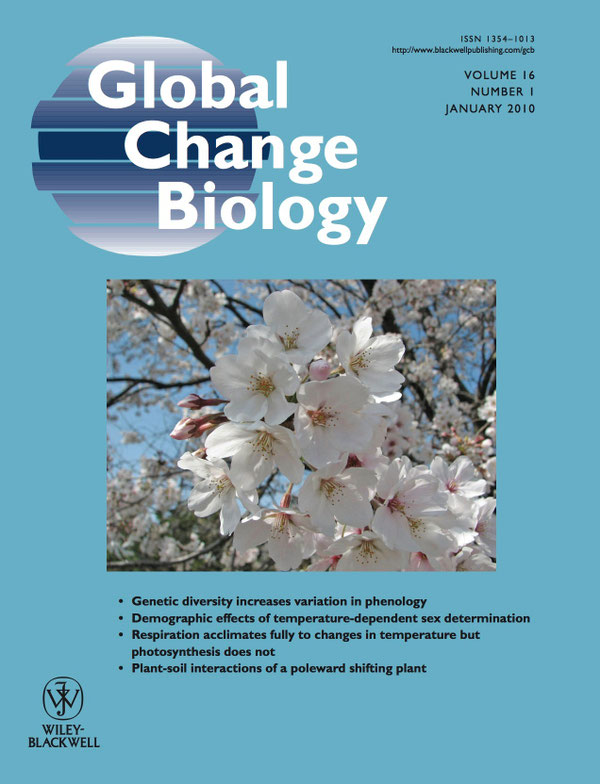
  9. Hideyuki Doi, Mayumi Takahashi and Izumi Katano (2010) Genetic diversity increases regional variations in phenological responses to climate change. Global Change Biology 16:373-379.

    https://doi.org/10.1111/j.1365-2486.2009.01993.x

    • Featured by the cover photo of the issue: Japanese cherry flower (Prunus × yedoensis, Someiyoshino)

2009 9 papers

  1. Gen Kanaya, Elena N. Yadrenkina, Elena I. Zuykova, Eisuke Kikuchi, Shuichi Shikano, Chitoshi Mizota, Hideyuki Doi, and Nataliya I. Yurlova (2009) Contribution of organic matter sources to cyprinid fishes in the Chany Lake-Kargat River estuary, western Siberia. Marine and Freshwater Research 60:510-518.

    https://doi.org/10.1071/MF08108

  2. Izumi Katano, Hideyuki Doi, and Tadashi Oishi (2009) Upstream resource abundance determines the food searching behavior of a stream grazer: Effect of microalgal cues. Limnology and Oceanography 54:1162-1166.

    https://doi.org/10.4319/lo.2009.54.4.1162

  3. Hideyuki Doi, and Eisuke Kikuchi (2009) Conservation and research in extreme environments. Frontiers in Ecology and the Environment 7:239.

    https://doi.org/10.1890/09.WB.014

  4. Izumi Katano, Junjiro N. Negishi, Tomoko Minagawa, Hideyuki Doi, Yôichi Kawaguchi, and Yuichi Kayaba (2009) Longitudinal macroinvertebrate organization over contrasting discontinuities: effects of a dam and a tributary. Journal of the North American Benthological Society 28:331-351.

    https://doi.org/10.1899/08-010.1

  5. Kwang-Hyeon Chang, Hideyuki Doi, Yuichiro Nishibe, Yumiko Obayashi, and Shin-ichi Nakano (2009) Spatial and temporal distribution of zooplankton communities of coastal marine waters receiving different human activities (fish and pearl oyster farmings). The Open Marine Biology Journal 3:83-88.

    https://doi.org/10.2174/1874450800903010083

  6. Hideyuki Doi, Masatoshi Matsumasa, Mamoru Fujikawa, Keiichi Kanou, Takao Suzuki, and Eisuke Kikuchi (2009) Macroalgae and seagrass contribution to gastropods in sub-tropic and temperate tidal flats. Journal of the Marine Biological Association of the United Kingdom 89:399-404.

    https://doi.org/10.1017/S0025315408002683

  7. Chitoshi Mizota, Hideyuki Doi, Eisuke Kikuchi, Shuichi Shikano, Takeshi Kakegawa, Natalia I. Yurlova, and A. I. Yurlova (2009) Stable isotope characterization of fluids from the Lake Chany complex, western Siberia, Russian Federation. Applied Geochemistry 24:319-327.

    https://doi.org/10.1016/j.apgeochem.2008.10.009

  8. Hideyuki Doi (2009) Spatial patterns of autochthonous and allochthonous resources in aquatic food webs. Population Ecology 51:57-64.

    https://doi.org/10.1007/s10144-008-0127-z

  9. Hideyuki Doi, Kwang-Hyeon Chang, Takamitsu Ando, Hiroyuki Imai, Ippei Ninomiya, and Shin-ichi Nakano (2009) Resource availability and ecosystem size predict food-chain lengths in pond ecosystems. Oikos 118:138-144.

    https://doi.org/10.1111/j.1600-0706.2008.17171.x

2008 13 papers

  1. Motomi Genkai-Kato, Miyuki Onishi, Hideyuki Doi, Kentaro Nozaki, Hitoshi Miyasaka, and Koji Omori (2008) Photosynthetic property and primary production of phytoplankton in sublittoral sand bank area in the Seto Inland Sea, Japan. Ecological Research 23:1025-1032.

    https://doi.org/10.1007/s11284-008-0472-6

  2. Kwang-Hyeon Chang, Hideyuki Doi, Hiroyuki Imai, Fusako Gunji, and Shin-ichi Nakano (2008) Longitudinal changes in zooplankton distribution below a reservoir outfall with reference to river planktivory. Limnology 9:125-133.

    https://doi.org/10.1007/s10201-008-0244-6

  3. Hideyuki Doi (2008) Delayed phenological timing of dragonfly emergence in Japan over five decades. Biology Letters 4:388-391.

    https://doi.org/10.1098/rsbl.2008.0234

  4. Hideyuki Doi, Oscar Gordo, and Izumi Katano (2008) Heterogeneous intra-annual climatic changes drive different phenological responses in two trophic levels. Climate Research 36:181-190.

    https://doi.org/10.3354/cr00741

  5. Kayoko Fukumori, Misa Oi, Hideyuki Doi, Daisuke Takahashi, Noboru Okuda, Todd W. Miller, Michinobu Kuwae, Hitoshi Miyasaka, Motomi Genkai-Kato, Yoshitsugu Koizumi, Koji Omori, and Hidetaka Takeoka (2008) Bivalve tissue as a carbon and nitrogen isotope baseline indicator in coastal ecosystems. Estuarine, Coastal and Shelf Science 79:45-50.

    https://doi.org/10.1016/j.ecss.2008.03.004

  6. Hideyuki Doi, and Mayumi Takahashi (2008) Latitudinal patterns in the phenological responses of leaf colouring and leaf fall to climate change in Japan. Global Ecology and Biogeography 17:556-561.

    https://doi.org/10.1111/j.1466-8238.2008.00398.x

  7. Hideyuki Doi, Kwang-Hyeon Chang, Takamitsu Ando, Hiroyuki Imai, Shin-ichi Nakano, Akio Kajimoto, and Izumi Katano (2008) Drifting plankton from a reservoir subsidize downstream food webs and alter community structure. Oecologia 156: 363-371.

    https://doi.org/10.1007/s00442-008-0988-z

  8. Hideyuki Doi, and Izumi Katano (2008) Distribution patterns of stream grazers and relationships between grazers and periphyton at multiple spatial scales. Journal of the North American Benthological Society 27:295–303.

    https://doi.org/10.1899/07-067.1

  9. Hitoshi Miyasaka, Motomi Genkai-Kato, Yo Miyake, Daisuke Kishi, Izumi Katano, Hideyuki Doi, Shin-ya Ohba, and Naotoshi Kuhara (2008) Relationships between length and weight of freshwater macroinvertebrates in Japan. Limnology 9:75-80.

    https://doi.org/10.1007/s10201-008-0238-4

  10. Hideyuki Doi, and Izumi Katano (2008) Phenological timings of leaf budburst with climate change in Japan. Agricultural and Forest Meteorology 148:512-516.

    https://doi.org/10.1016/j.agrformet.2007.10.002

  11. Hideyuki Doi, Natalia I. Yurlova, Svetlana N. Vodyanitskaya, Eisuke Kikuchi, Shuichi Shikano, Elena I. Zuykova, and Elena N. Yadrenkina (2008) Parasite-induced changes in nitrogen isotope signatures of host tissues. Journal of Parasitology 94:292-295.

    https://doi.org/10.1645/GE-1228.1

  12. Hideyuki Doi, Kwang-Hyeon Chang, Yumiko Obayashi, Mizuho Yoshihara, Mary Shime, Takako Yamamoto, Yuichiro Nishibe, and Shin-ichi Nakano (2008) Attached microalgae contribute to planktonic food webs in bays with fish and pearl oyster farms. Marine Ecology Progress Series 354:123-132.

    https://doi.org/10.3354/meps07202

  13. Kayoko Fukumori, Misa Oi, Hideyuki Doi, Noboru Okuda, Hitomi Yamaguchi, Michinobu Kuwae, Hitoshi Miyasaka, Kenji Yoshino, Yoshitsugu Koizumi, Koji Omori, and Hidetaka Takeoka (2008) Food sources of the pearl oyster in coastal ecosystems of Japan: Evidence from diet and stable isotope analysis. Estuarine, Coastal and Shelf Science 76:704-709.

    https://doi.org/10.1016/j.ecss.2007.07.046

2007 5 papers

  1. Izumi Katano*, Hideyuki Doi, Akiko Houki, Yu Isobe, and Tadashi Oishi (2007) Changes in periphyton abundance and community structure with the dispersal of a caddisfly grazer, Micrasema quadriloba. Limnology 8:219-226.

    https://doi.org/10.1007/s10201-007-0211-7

    • *Corresponding author
    • Awarded the Yoshimura Award of Japanese Society of Limnology
  2. Hideyuki Doi, Yasuhiro Takemon, Taichi Ohta, Yuko Ishida and Eisuke Kikuchi (2007) Effects of reach scale canopy cover on trophic pathways of caddisfly larvae in a Japanese mountain stream. Marine and Freshwater Research 58:811–817.

    https://doi.org/10.1071/MF07067

    • Featured as back-cover photo of the issue
  3. Hideyuki Doi (2007) Winter flowering phenology of Japanese apricot Prunus mume reflects climate change across Japan. Climate Research 34:99-104.

    https://doi.org/10.3354/cr034099

  4. Hideyuki Doi, Atsushi Takagi, and Eisuke Kikuchi (2007) Stream macroinvertebrate community affected by point-source metal pollution. International Review of Hydrobiology 92:258-266.

    https://doi.org/10.1002/iroh.200610923

  5. Hideyuki Doi, Eisuke Kikuchi, Shigeto Takagi, and Shuichi Shikano (2007) Changes in carbon and nitrogen stable isotopes of chironomid larvae during growth, starvation and metamorphosis. Rapid Communications in Mass Spectrometry 21:997-1002.

    https://doi.org/10.1002/rcm.2925

2006 5 papers

  1. Hideyuki Doi, Atsushi Takagi, Chitoshi Mizota, Jun-ichi Okano, Shin-ichi Nakano and Eisuke Kikuchi (2006) Contribution of chemoautotrophic productions to freshwater macroinvertebrates in a headwater stream using multiple stable isotopes. International Review of Hydrobiology 91:501-508.

    https://doi.org/10.1002/iroh.200610898

  2. Hideyuki Doi, Elena Zuykova, Eisuke Kikuchi, Shuichi Shikano, Keiichi Kanou, Natalia Yurlova, and Elena Yadrenkina (2006) Spatial changes in carbon and nitrogen stable isotope of the plankton food web in a saline lake ecosystem. Hydrobiologia 571:395-400.

    https://doi.org/10.1007/s10750-006-0205-1

  3. Elena I. Zuykova, Hideyuki Doi, Eisuke Kikuchi, Shuichi Shikano, and Natalia Yurlova (2006) The zooplankton of Lake Chany, West Siberia, Russia. Journal of Freshwater Ecology 21:181-182.

    https://doi.org/10.1080/02705060.2006.9664112

  4. Hideyuki Doi, Eisuke Kikuchi, Shigeto Takagi, and Shuichi Shikano (2006) Selective assimilation by deposit feeders: Experimental evidence using stable isotope ratios. Basic and Applied Ecology 7:159-166.

    https://doi.org/10.1016/j.baae.2005.04.011

  5. Hideyuki Doi, Izumi Katano, and Eisuke Kikuchi (2006) The use of algal-mat habitats by aquatic insect grazers: effects of microalgal cues. Basic and Applied Ecology 7:153-158.

    https://doi.org/10.1016/j.baae.2005.04.009

2005 4 papers

  1. Shuichi Shikano, Eisuke Kikuchi, Shigeto Takagi, and Hideyuki Doi (2005) Interannual variations of limnological and ecological characteristics in acidic Lake Katanuma. Korean Journal of Limnology (Special Issue) 38: 435-438.

  2. Shigeto Takagi, Eisuke Kikuchi, Hideyuki Doi, and Shuichi Shikano (2005) Swimming behaviour of Chironomus acerbiphilus larvae in Lake Katanuma. Hydrobiologia 548:153-165.

    https://doi.org/10.1007/s10750-005-5196-9

  3. Hideyuki Doi, Masatoshi Matsumasa, Terumasa Toya, Nobuya Satoh, Chitoshi Mizota, Yonosuke Maki, and Eisuke Kikuchi (2005) Spatial shifts in food sources for macrozoobenthos in an estuarine ecosystem: Carbon and nitrogen stable isotope analyses. Estuarine, Coastal and Shelf Science 64:316-322.

    https://doi.org/10.1016/j.ecss.2005.02.028

  4. Hideyuki Doi, Eisuke Kikuchi, Shigeto Takagi, and Shuichi Shikano (2005) Carbon stable isotope ratios of phytoplankton and benthic diatoms in Lake Katanuma with reference to those of other lakes. Korean Journal of Limnology (Special Issue) 38:8-11.

2004 3 papers

  1. Hideyuki Doi, Eisuke Kikuchi, Chitoshi Mizota, Nobuya Satoh, Shuichi Shikano, Natalia Yurlova, Elena Zuykova, and Elena Yadrenkina (2004) Carbon, nitrogen, and sulfur isotope changes and hydro-geological processes in a saline lake chain. Hydrobiologia 529:225-235.

    https://doi.org/10.1007/s10750-004-6418-2

  2. Shuichi Shikano, Eisuke Kikuchi, Shigeto Takagi, and Hideyuki Doi (2004) Volcanic heat flux and short-term holomixis during the summer stratification period in a crater lake. Limnology and Oceanography 49:2287-2292.

    https://doi.org/10.4319/lo.2004.49.6.2287

  3. Hideyuki Doi, Eisuke Kikuchi, Shuichi Shikano, and Shigeto Takagi (2004) A study of the nitrogen stable isotope dynamics of phytoplankton in a simple natural ecosystem. Aquatic Microbial Ecology 36:285-291.

    https://doi.org/10.3354/ame036285

2003 2 papers

  1. Hideyuki Doi, Eisuke Kikuchi, Shuji Hino, Takeru Itoh, Shigeto Takagi, and Shuichi Shikano (2003) Seasonal dynamics of carbon stable isotope ratios of particulate organic matter and benthic diatoms in strongly acidic Lake Katanuma. Aquatic Microbial Ecology 33:87-94.

    https://doi.org/10.3354/ame033087

  2. Hideyuki Doi, Eisuke Kikuchi, Shuji Hino, Takeru Itoh, Shigeto Takagi, and Shuichi Shikano (2003) Isotopic (δ13C) evidence for the autochthonous origin of sediment organic matter in the small and acidic Lake Katanuma, Japan. Marine and Freshwater Research 54:253-257.

    https://doi.org/10.1071/MF02035

2001 1 paper

  1. Hideyuki Doi*, Eisuke Kikuchi, and Shuichi Shikano (2001) Carbon and nitrogen stable isotope ratios analysis of food sources for Chironomus acerbiphilus larvae (Diptera Chironomidae) in strongly acidic Lake Katanuma. Radioisotopes 50:601-610.

    https://doi.org/10.3769/radioisotopes.50.12_601

    • *Corresponding author
    • Awarded Radioisotopes Journal award

Papers in Japanese 日本語論文

  1. Katsuyuki Tanaka, Shigenari Miyawaki, Yuichi Mizumori, Yasumitsu Kato, Mariko Nagano, and Hideyuki Doi (2020) Environmental DNA analysis of invasive aquatic plant, Egeria densa, in the Oota River, Japan. Ecology and Civil Engineering 23:59-68 (in Japanese).

    https://doi.org/10.3825/ece.23.59

  2. Yoshihisa Akamatsu, Yutaka Watanabe, Naoyuki Hirasaka, Hideyuki Doi, Masuji Goto, Takashi Komuro, Ryutei Inui, and Takanori Kono (2018) 河川・湖沼における採水ドローンの開発と実用性の検証. Advances in River Engineering (河川技術論文集) 24:13-18 (in Japanese).

  3. Hideyuki Doi (2014) Comment: “Four color issue” in ecology. Japanese Journal of Ecology 64:151-152 (in Japanese).

    https://doi.org/10.18960/seitai.64.2_151

  4. Hideyuki Doi (2014) Comment: Food web theories and mass extinction. Japanese Journal of Ecology 64:77-78 (in Japanese).

    https://doi.org/10.18960/seitai.64.1_77

  5. Hideyuki Doi and Hiroshi Okamura (2011) Similarity indices, ordination, and community analysis tests using the software R. Japanese Journal of Ecology 61:3-20 (in Japanese).

    https://doi.org/10.18960/seitai.61.1_3

  6. Izumi Katano, Junjiro N. Negishi, Tomoko Minagawa, Hideyuki Doi, and Yuichi Kayaba (2010) 土砂還元によるダム下流域の修復効果検証のための指標種の抽出. Advances in River Engineering (河川技術論文集) 16:519-525 (in Japanese).

  7. Hideyuki Doi and Mayumi Takahashi (2010) Macro-scale investigation of climate change effect on plant phenological timings using the phenological dataset of the Japan Meteorological Agency. Japanese Journal of Ecology 60:241-247 (in Japanese).

    https://doi.org/10.18960/seitai.60.2_241

  8. Hideyuki Doi, and Eisuke Kikuchi (2002) Analysis of food sources for Chironomus acerbiphilus larvae in strongly acidic Lake Katanuma. Japanese Journal of Limnology 63:160-162 (in Japanese).

    https://doi.org/10.3739/rikusui.63.155

Books and chapters

  1. Hideyuki Doi (2022) Real-time and digital PCR for environmental DNA methods estimating aquatic organisms' distributions (in Japanese). 土居秀幸 リアルタイムPCR・デジタルPCRを用いた環境DNAによる水生生物の生息把握. 北條浩彦 編『リアルタイム・デジタルPCR実験スタンダード』羊土社 2022年.

    Publisher page

  2. Hideyuki Doi and Michio Kondoh (eds.) (2021) Environmental DNA: Revealing the Nature of Ecosystem. Kyoritsu Press (in Japanese). 土居秀幸・近藤倫生 編(一般社団法人環境DNA学会 企画)『環境DNA:生態系の真の姿を読み解く』共立出版 2021年.

    Publisher page

  3. Hideyuki Doi, Naoto F. Ishikawa and Tamihisa Ohta (2019) Stable isotope analysis. Field and analytical methods in stream ecology, Koudansya (in Japanese). 土居秀幸・石川尚人・太田民久「安定同位体分析」、加賀谷隆・土居秀幸「外来性有機物」 井上幹生・中村太士 編『河川生態系の調査・分析方法』講談社 2019年.

    Publisher page

  4. Hideyuki Doi, Izumi Katano and Kouji Tojo (2018) Environmental DNA analysis for aquatic Hemiptera. Biology of aquatic Hemiptera, Hokuryukan (in Japanese). 土居秀幸・片野泉・東城幸治「水生半翅類調査への環境DNAの適用」 大庭伸也 編 環境Eco選書(13)『水生半翅類の生物学』北隆館 2018年.

  5. Hideyuki Doi, Fujio Hyodo and Naoto Ishikawa (2016) Analysis of diets and food webs using stable isotopes. Handbook of Methods in Ecological Research 6, Kyoritsu Press (in Japanese). 土居秀幸・兵藤不二夫・石川尚人「安定同位体を用いた餌資源・食物網調査法」 占部城太郎・日浦勉・辻和希 編 生態学フィールド調査法シリーズ 第6巻 共立出版 2016年.

    Publisher page

  6. Hideyuki Doi, and Izumi Katano (2012) Chapter 6, Ecology Series 9, Kyoritsu Press (in Japanese). 土居秀幸・片野泉 第6章「河川生態系の被食ー捕食関係と食物網」 シリーズ現代の生態学 第9巻『淡水生態学のフロンティア』吉田丈人・鏡味麻衣子・加藤元海 編 共立出版 2012年.

  7. Hideyuki Doi (2008) Chapter 2, Community Ecology Series 4, Kyoto University Press (in Japanese). 土居秀幸 第2章「生物群集が支える湖沼生態系の物質循環」 シリーズ群集生態学4『生態系と群集をむすぶ』大串隆之・近藤倫生・仲岡雅裕 編 京都大学学術出版会 2008年.

Curriculum vitae

Education

  1. 2005Ph.D., Graduate School of Life Sciences, Tohoku University, Japan
  2. 2002M.S., Biological Institute, Graduate School of Sciences, Tohoku University, Japan
  3. 2000B.S., College of Integrated Arts and Sciences, Osaka Prefecture University, Japan

Professional research positions

  1. 2022–Professor, Graduate School of Informatics, Kyoto University, Japan
  2. 2021–2022Associate Professor, Graduate School of Information Science, University of Hyogo, Japan
  3. 2015–2020Associate Professor, Graduate School of Simulation Studies, University of Hyogo, Japan
  4. 2011–2015Tenure-track Lecturer, Institute for Sustainable Sciences and Development, Hiroshima University, Japan
  5. 2008–2011JSPS Postdoctoral Research Fellow for Research Abroad, Institute for Chemistry and Biology of the Marine Environment, Carl von Ossietzky University Oldenburg, Germany
  6. 2006–2007Visiting Scholar, School of Aquatic and Fishery Sciences, University of Washington, USA
  7. 2005–2008JSPS Postdoctoral Research Fellow (PD), Faculty of Agriculture, Ehime University, Japan

Editorial responsibilities

  1. 2025–2027Limnology, Editor-in-Chief
  2. 2024–Ecology Letters, Associate editor
  3. 2024–Landscape and Ecological Engineering, Associate editor
  4. 2023–2025Limnology, Associate editor
  5. 2022–Oikos, Associate editor
  6. 2021–Ecology, Associate editor
  7. 2021–Ecological Monographs, Associate editor
  8. 2021–2025Japanese Journal of Limnology, Associate editor
  9. 2020–Aquatic Sciences, Associate editor
  10. 2020–Frontiers in Ecology and Evolution, Associate editor
  11. 2020–Frontiers in Environmental Science, Associate editor
  12. 2016–PLOS ONE, Associate editor
  13. 2013–Journal of Security and Sustainability Issues, International Editorial Board
  14. 2011–2016Limnology, Associate editor
  15. 2008–2011The Open Ecology Journal, Associate editor

Awards

  1. 2025The 23rd Biwako Prize for Ecology (Jun. 2025)
  2. 2023PLOS ONE Long Service Award, PLOS (Feb. 2023)
  3. 2022The 39th Research Award of the Murao Educational Foundation (Mar. 2022)
  4. 2021The Best Research Activity Award 2021, University of Hyogo (Aug. 2021)
  5. 2021Deep Life Paper Awards 2020, International Center for Deep Life Investigation (Mar. 2021), for Hoshino, Doi et al. (2020)
  6. 2020The Special Research Activity Award 2020, University of Hyogo (Oct. 2020)
  7. 2018Kurita Water and Environment Foundation Research Award (Aug. 2018)
  8. 2016The Best Design Award for the Society Logotype, The Japanese Society of Limnology (Nov. 2016)
  9. 2014The 16th Shinkichi Yoshimura Award, The Japanese Society of Limnology (Sep. 2014)
  10. 2012The 12th Ecological Research Award (Mar. 2012), as co-author
  11. 2011Shinshu Field Science Award 2011 (Nov. 2011)
  12. 2010The 14th Denzaburo Miyadi Award, Ecological Society of Japan (Mar. 2010)
  13. 2007The Best Poster Presentation Award, 54th meeting of the Ecological Society of Japan (Mar. 2007)
  14. 2006The Excellent Poster Presentation Award, 10th meeting of the Ecology and Civil Engineering Society (Sep. 2006)
  15. 2006The Excellent Poster Presentation Award, 71st meeting of the Japanese Society of Limnology (Sep. 2006)
  16. 2005The Excellent Poster Presentation Award, 2nd Japan-Korea Joint Symposium on Limnology (Sep. 2005)
  17. 2005Graduate School of Life Sciences President Prize (Mar. 2005)
  18. 2005Aoba Society for the Promotion of Science Prize (Mar. 2005)
  19. 2004Student Travel Award, North American Benthological Society 52nd Annual Meeting (Jun. 2004)
  20. 2004Student Presentation Award, 1st Korea-Japan Joint Symposium on Limnology (May 2004)
  21. 2002Radioisotopes Journal Award (Jun. 2002)

Professional memberships

The Ecological Society of America (ESA); Association for the Sciences of Limnology and Oceanography (ASLO); Ecological Society of Japan (ESJ); The Japanese Society of Limnology (JSL); Ecology and Civil Engineering Society (ECES); The eDNA Society

Manuscript reviewer for

Advances in Meteorology, African Journal of Microbiology Research, American Journal of Botany, Analytical Chemistry, Animals, Applied and Environmental Microbiology, Aquatic Botany, Aquatic Conservation: Marine and Freshwater Ecosystems, Aquatic Sciences, Asian Journal of Environment and Ecology, Biodiversity and Conservation, Biogeosciences, Biological Conservation, Biological Invasions, Biology Letters, Biology Methods and Protocols, BMC Ecology, Canadian Journal of Fisheries and Aquatic Sciences, Cancer Medicine, Chemical Geology, Communications Biology, Conservation Genetics, Current Metabolomics, Ecography, Ecological Applications, Ecological Genetics and Genomics, Ecological Indicators, Ecological Research, Ecology, Ecology and Civil Engineering, Ecology and Evolution, Ecology Letters, Ecology of Freshwater Fish, Ecosphere, Environmental Biology of Fishes, Environmental DNA, Environment International, Environmental Science & Technology, Estuarine Coastal and Shelf Science, Fisheries Science, Freshwater Biology, Frontiers in Ecology and Evolution, Frontiers in Environmental Science, Frontiers in Sustainable Food Systems, Functional Ecology, Genome, Global Change Biology, Global Ecology and Biogeography, Hydrobiologia, Ichthyological Research, International Journal of Climatology, International Journal of Molecular Sciences, International Journal of Zoology, IEEE Transactions on Systems, Man and Cybernetics: Systems, International Review of Hydrobiology, Insect Conservation and Diversity, Isotopes in Environmental and Health Studies, Japanese Journal of Conservation Ecology, Japanese Journal of Ecology, Japanese Journal of Limnology, Journal of Advanced Research, Journal of Animal Ecology, Journal of Applied Ecology, Journal of Ecology, Journal of Environmental Management, Journal of Experimental Marine Biology and Ecology, Journal of Japan Society on Water Environment, Journal of Marine Biology, Journal of Oceanography, Journal of Ornithology, Journal of Plant Research, Journal of Sea Research, Journal of Sustainable Development, Journal of Virological Methods, Korean Journal of Limnology, Knowledge and Management of Aquatic Ecosystems, Land Degradation and Development, Landscape and Ecological Engineering, Limnology, Limnology and Oceanography, Limnology and Oceanography Methods, Marine and Freshwater Research, Marine Biodiversity, Marine Ecology Progress Series, Marine Pollution Bulletin, Metabarcoding and Metagenomics, Methods in Ecology and Evolution, Microbes and Environments, Microbial Ecology, Molecular Ecology Resources, Nature Climate Change, Nature Ecology and Evolution, North American Journal of Fisheries Management, Oecologia, Oikos, Parasitology, Philosophical Transactions of the Royal Society B, Plankton and Benthos Research, PLOS ONE, Polar Biology, Population Ecology, Proceedings of the Royal Society B, Rapid Communications in Mass Spectrometry, Science of the Total Environment, Scientific Data, Sustainable Water Resources Management, The Open Ecology Journal, Transactions of the American Fisheries Society, Tree Physiology, Water, Wellcome Open Research, Wetlands, Wildlife Research, Zoological Letters, Zoological Studies
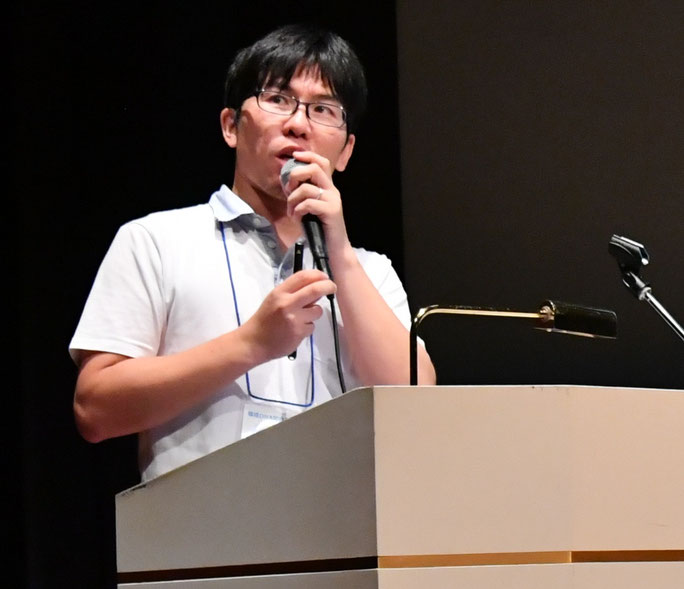
Grant proposal reviewer for

Czech Science Foundation (CSF, Czech Republic), Deutsche Forschungsgemeinschaft (DFG, Germany), Israel Science Foundation (ISF), Marsden Fund of Royal Society of New Zealand, Natural Environment Research Council of the UK (NERC), National Science Centre (NCN, Poland), National Science Foundation (NSF, USA), Netherlands Organization for Scientific Research (NWO, Netherlands), Research Grants Council of Hong Kong, Research and Development (CRD) of The Education University of Hong Kong, Swiss National Science Foundation (SNSF)